Get Full Government Meeting Transcripts, Videos, & Alerts Forever!
Get email alerts on the Ems Emergency Ambulance Services topic
No spam. Unsubscribe anytime.
Committee advances bill declaring emergency ambulance services essential and directing counties to identify unserved areas
Summary
Lawmakers advanced a bill that would require counties to identify unserved areas and provide emergency ambulance transport either by county service, contract with providers, or interlocal agreements; supporters said the measure aims to reduce EMS deserts while stakeholders urged a clear fiscal framework for rural counties.
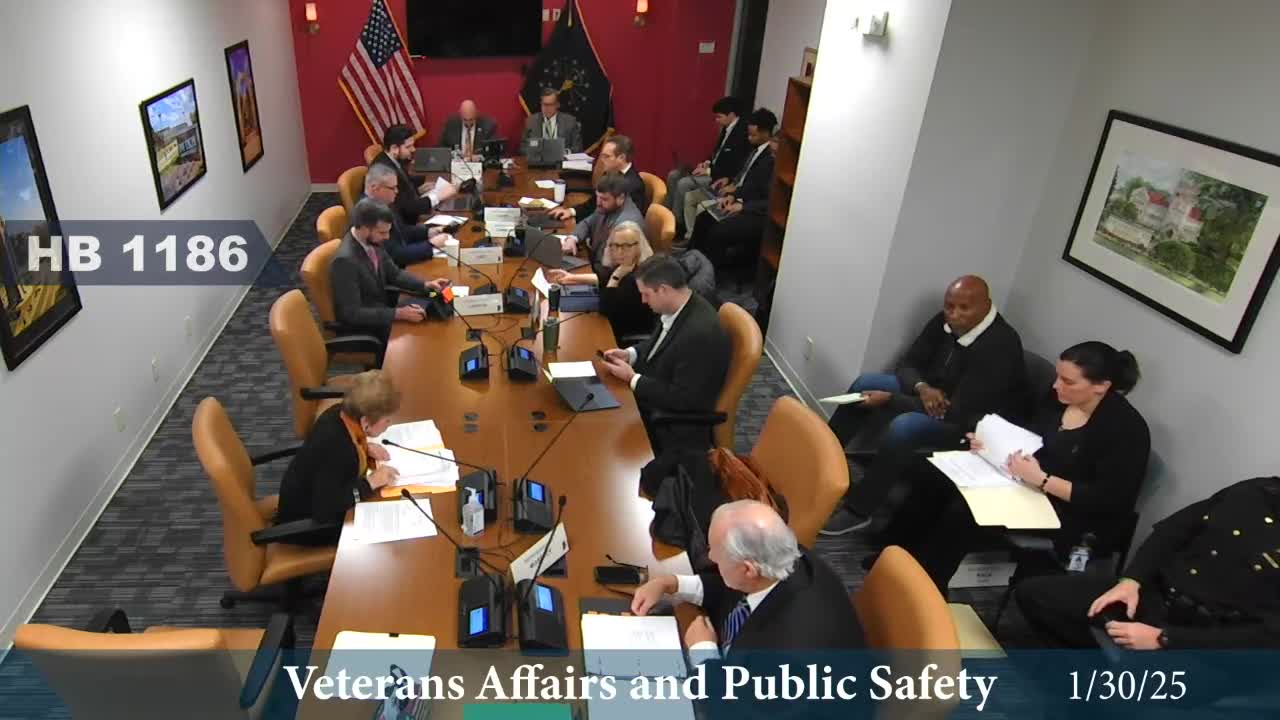
A House committee on Monday advanced legislation that would designate emergency medical services, including ambulance transport, as an essential service and require counties to identify unserved areas and provide transport services through one of three options: establish a county emergency ambulance service, contract with public/private/nonprofit providers, or enter interlocal cooperation agreements.
Representative Tim O’Brien, the bill’s sponsor, said the measure would put EMS on the same footing as police and fire, require counties to map unserved areas and give local officials options to ensure emergency transport. “On your worst day, if you dial 911, somebody should be there to respond,” O’Brien told the committee, urging support for the bill as “a step forward” informed by a statewide data collection effort that showed gaps in coverage.
Several county and provider witnesses testified in support while urging caution about funding and implementation. Kelly Streeter, immediate past president of the Indiana County Commissioners Association and a Knox County commissioner, said 86 of 92 counties completed a statewide EMS survey and that counties vary widely: some have a single private provider, others have multiple transport services, and rural counties often face negative reimbursement rates and fragile provider margins.
Streeter and other county witnesses described examples where private providers ceased operations, forcing counties to spend local dollars on vehicles and subsidies: Knox County purchased used ambulances and subsidizes operations (she cited a roughly $2,000,000 mobilization in one county and subsidies in the hundreds of thousands in others). The county association urged clarity about the bill’s fiscal framework so rural communities are not unable to implement required services.
Representatives of the Professional Firefighters Union of Indiana, the Indiana Fire Chiefs Association, the Indiana EMS Association and the Indiana Rural Health Association testified in favor, saying the bill targets unserved areas while giving counties flexibility to decide the delivery model. Several witnesses emphasized the high cost of patient transport and inconsistent reimbursement across insurers, which complicates private providers’ viability.
Representative O’Brien closed by saying delays in medical response can be life-threatening and asking for committee support. The committee voted to move the bill and recorded the committee vote as “Bill passes 10 to 0.”
Implementation questions: County officials requested more time and clearer fiscal mechanisms; several counties already subsidize transport with local public-safety levies or interlocal agreements. The transcript shows county examples of annual subsidies ranging from about $200,000 to $1,200,000 and one county reporting $800,000 per year in local subsidy; witnesses stressed that smaller counties with limited taxing capacity may need transitional funding and planning time to meet a new statutory duty.
Ending: The bill advances with broad stakeholder support for the concept but persistent concerns about funding and the timeline for rural counties to stand up services.