Get Full Government Meeting Transcripts, Videos, & Alerts Forever!
Get email alerts on the Zoning Codes topic
No spam. Unsubscribe anytime.
Baker adopts ordinance limiting auto repair, oil‑change activity in residential areas; legal review ordered for edits
Summary
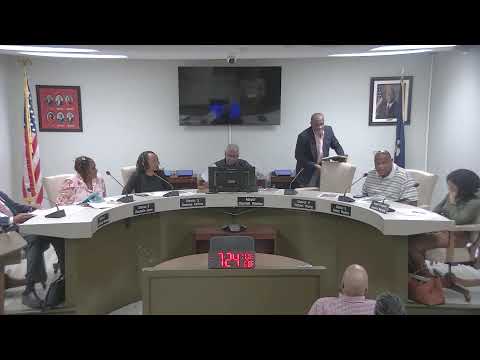
The City Council adopted ordinance 2025‑6 after a public meeting; legal staff was directed to incorporate technical clarifications (enforcement authority, a 10‑day limit for inoperative vehicles, lien-recording language and an appeals step).
The City Council adopted ordinance 2025‑6 after a public meeting and discussion about enforcement and technical corrections. The ordinance addresses automobile repair and oil‑change activities in residential areas and sets time limits and enforcement mechanisms to limit prolonged vehicle work on private property.
Council members and an attorney reviewed the text during the public meeting and proposed several clarifications. Recommendations included naming the responsible enforcement authority (code enforcement and/or police), standardizing the allowable time a vehicle may remain in an inoperative condition on residential property to 10 consecutive days, confirming the appropriate office for filing liens, and adding a formal appeals process allowing a cited person to appeal to the municipal court.
Council moved to adopt the ordinance with legal review to make those adjustments. The city attorney confirmed the ordinance was legally sound in its current form but said minor edits could be incorporated by legal staff. A motion to approve with legal review passed on a voice vote.
Why this matters: The ordinance creates uniform rules for vehicle repair in residential neighborhoods, a recurring complaint in many communities. The requested clarifications are procedural but intended to reduce disputes about enforcement and provide a clear appeal route for residents.
What remains unclear: The meeting record does not provide a roll‑call vote tally or a named mover and seconder for the final adoption; the council adopted the ordinance by voice vote and directed legal staff to finalize the technical edits.