Get Full Government Meeting Transcripts, Videos, & Alerts Forever!
Get email alerts on the Dual Language topic
No spam. Unsubscribe anytime.
Board weighs keeping Lagos as a dual‑language academy vs. converting to a pathway; staffing and equity cited as main concerns
Summary
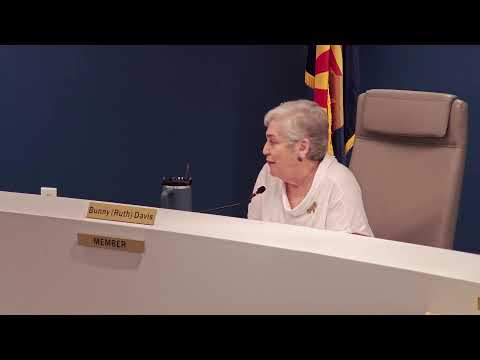
Board member Bunny Davis asked whether Lagos could become a dual‑language pathway to preserve neighborhood access while maintaining dual‑language offerings.
Board member Bunny Davis asked whether Lagos could become a dual‑language pathway available to neighborhood students instead of an open‑enrollment dual‑language academy. "That sort of makes sense to me because ... my major concern here is keeping as much neighborhood schools as we can," Davis said.
Dr. Lane and Superintendent Tenes laid out operational and equity tradeoffs. Staff told the board that pathway models can require additional full‑time teachers because a single campus often would run two programs in parallel: the dual‑language strand and the non‑dual neighborhood program. "When you start running pathway programs, if you don't have dedicated staff just for that program ... you're gonna have to hire more teachers at that campus," Dr. Lane said.
Staff also warned about demographic ripple effects. Dr. Lane said a pathway can concentrate special‑education identifications on one side of a program boundary, creating disproportionate workloads and less equitable placements: "What's happened ... an unintended consequence came to be disproportionality in identification of special education."
Enrollment projections and staffing sustainability factored into the discussion. The demographer's model presented to the board suggested Lagos could see enrollment decline over five to six years (staff cited a possible drop to below 300 students). District leaders said that imbalance could leave only about 100 non‑dual students on campus in an otherwise 400‑student school, which they said would be problematic for campus culture and operations.
Board and staff compared elementary and middle models. Staff noted that dual‑language pathways are more common and easier to operate at larger middle‑school campuses with departmentalized schedules; elementary schools operate largely in a self‑contained model, which complicates staffing.
Ending: Staff did not propose a decision at the study session and asked the board to continue providing feedback; any formal change would follow the district's adopted timeline and subsequent board action.