
AARP Community Challenge highlights Houston projects; $4.2 million awarded nationally in 2025
Get AI-powered insights, summaries, and transcripts
Subscribe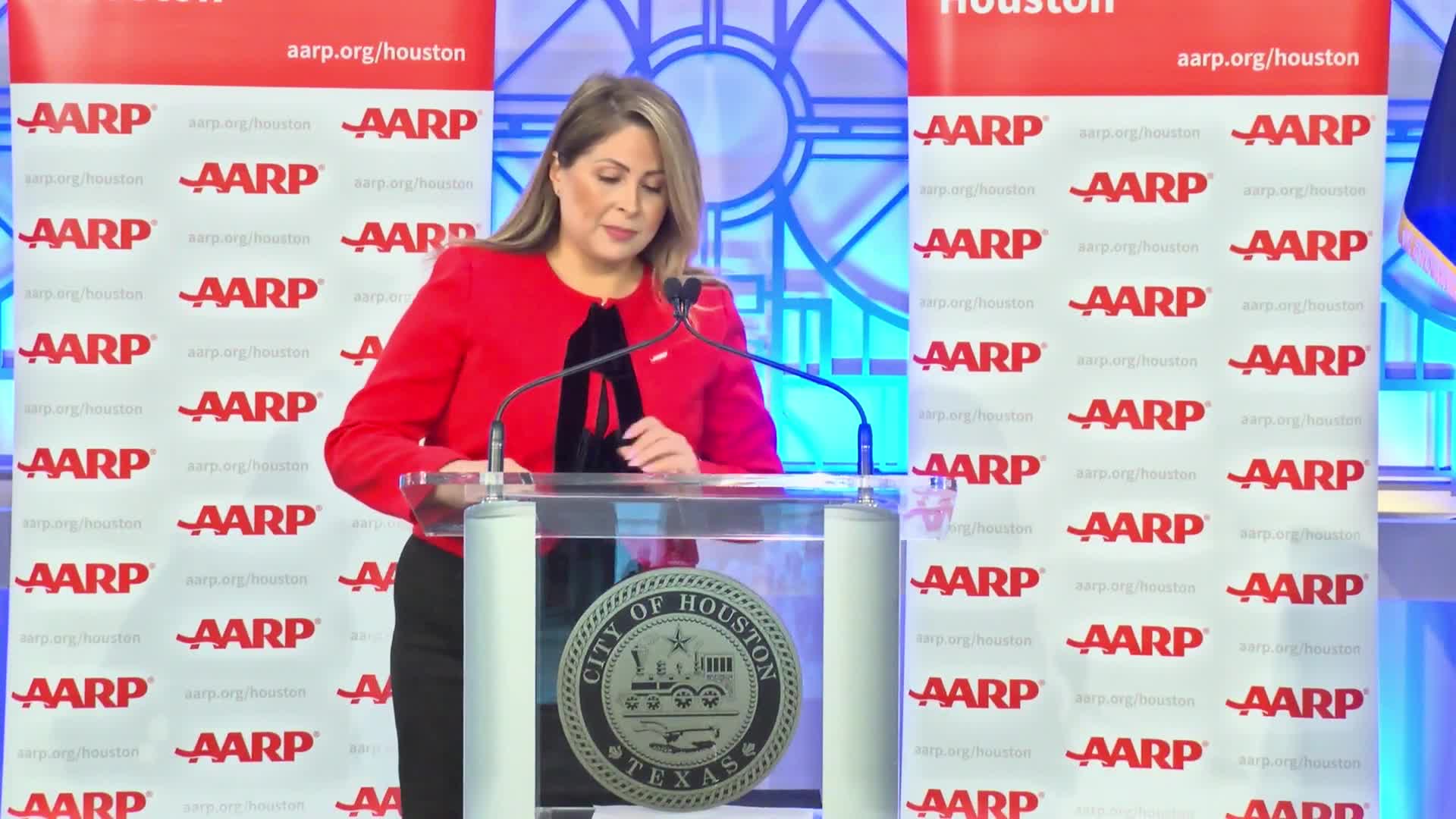
Summary
AARP’s Community Challenge Grant Program, which AARP says has invested more than $24,000,000 nationwide and awarded $4,200,000 to 383 grantees in 2025, was showcased at AARP Houston’s Oct. 28, 2025 event, where local recipients and project examples were highlighted.
AARP’s Community Challenge Grant Program was a focus of the Oct. 28, 2025 AARP Houston event, where organizers described the program as a short-term funding tool intended to jump-start long-term improvements in local communities.
Rosalina Martinez, director of community strategy for AARP Texas, said that the Community Challenge is now in its ninth year and that AARP has invested more than $24,000,000 nationwide through more than 2,000 grants. Martinez said that in 2025 AARP awarded $4,200,000 to 383 grantees.
Speakers named several Houston-area recipients of Community Challenge grants: the City of Houston Planning Department (work to encourage accessory dwelling units and an associated awareness campaign), Wesley Community Center (a 2025 digital resilience initiative providing Chromebooks, solar chargers and training for older adults), FIT Houston and the Citizens Transportation Coalition (walk audits to assess sidewalks and safer streets; FIT Houston is a two-time recipient), and Interfaith Ministries (a chore corps that provided tools and volunteers to help older adults with yard work and small chores).
Event presenters characterized these awards as short-term projects with the goal of long-lasting change. The transcript records organizers inviting representatives from past grant recipients to the stage and recognizing local organizations that have used Community Challenge funding; it does not include specific dollar amounts for each local award.
AARP and local officials said the grants support projects that advance AFLC goals—improving walkability, access to technology, and in-home assistance—but the event did not announce new grant rounds, detailed budgets for local projects, or specific implementation timelines for the named efforts. Attendees were encouraged to continue partnership work and to use volunteer feedback in program design.