
Bates describes White House press operations: coordinating interviews, offering transcripts and advising reporters
Get AI-powered insights, summaries, and transcripts
Subscribe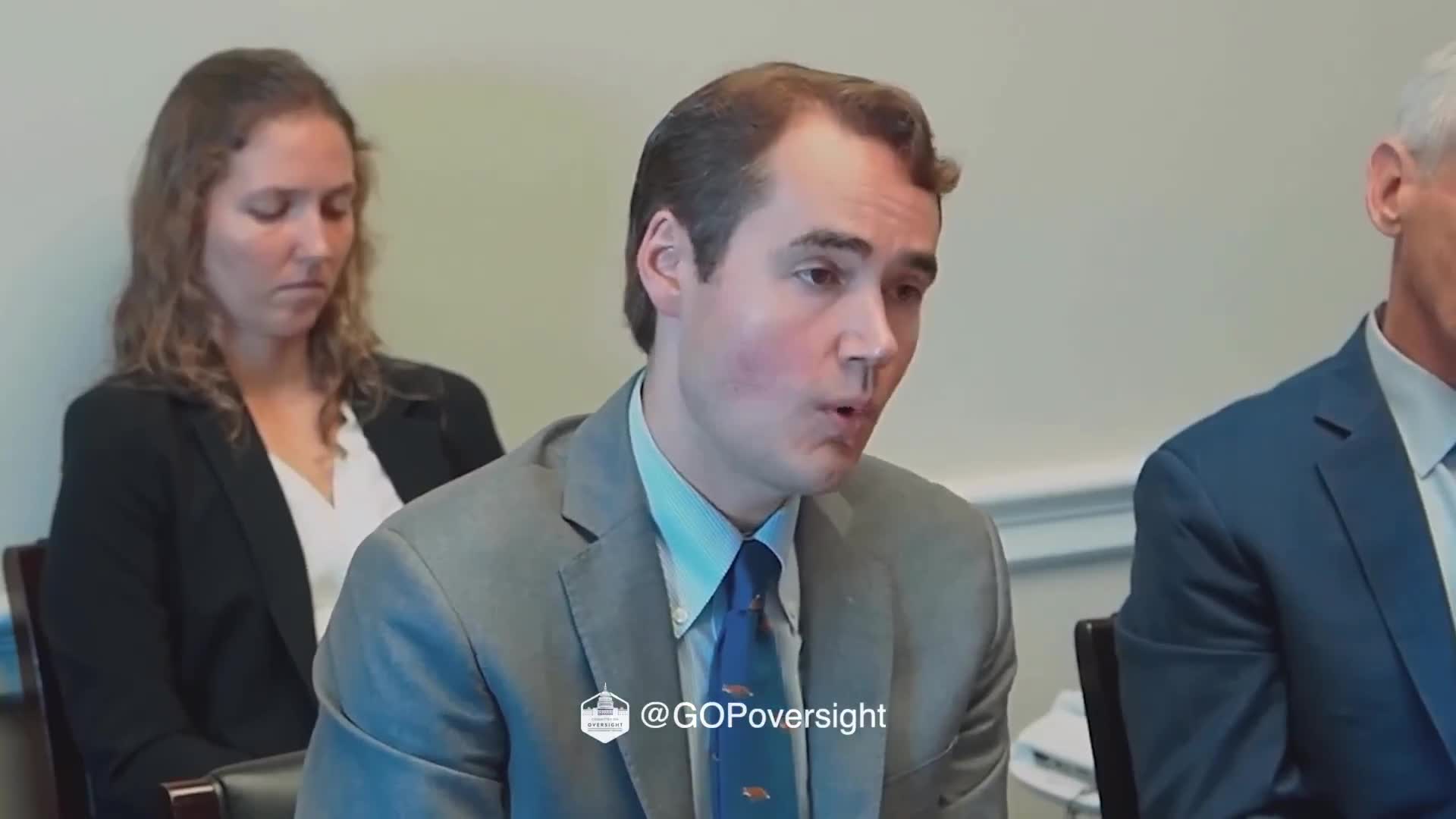
Summary
Bates told the committee that much of his contact with senior advisers and cabinet members was driven by reporter inquiries and media narratives. He described providing context, arranging interviews for cabinet members, receiving offered transcripts from Hill staff, and preparing press "binders" and talking points for the press secretary.
Andrew Bates, who served as a White House press official, described to the House Oversight committee how the White House communications team handled media inquiries and coordinated interviews with senior officials.
Bates said his contacts with senior advisers and cabinet members were often prompted by media inquiries. "I would inform them about a reporter's interest, and we would discuss the nature of the inquiry," he testified. He said that in those exchanges he often sought senior staff input about how to respond rather than reporting private staff concerns about the president's fitness.
On the subject of transcripts and audio, Bates said some congressional staff "offered" him audio or transcripts of interviews (he identified Sen. Patty Murray's team and communications staff for House Leader Jeffries) because those staff members believed reporters were not fairly representing those conversations. He said, "Those materials were offered to me. I did not ask that they happen."
Bates described a routine press-office product: a binder of talking points kept by the press secretary. He said spokespeople sometimes prepared points on their own initiative and that the final sign-off for the binder typically rested with the press secretary. He also described the normal cross-office approval processes that involve policy, congressional affairs and national security staff depending on subject matter.
Bates acknowledged heated interactions with reporters at times and said he had yelled and used profanity on occasion, but he denied making physical threats or threatening reporters'access to officials as a standard practice.
His account was focused on customs and processes of the press office rather than new documentary revelations. Bates presented these descriptions to explain how the White House responded to reporting and why the press office sought to ensure fuller context for journalists.