
House approves counseling compact to let licensed counselors practice across state lines
Get AI-powered insights, summaries, and transcripts
Subscribe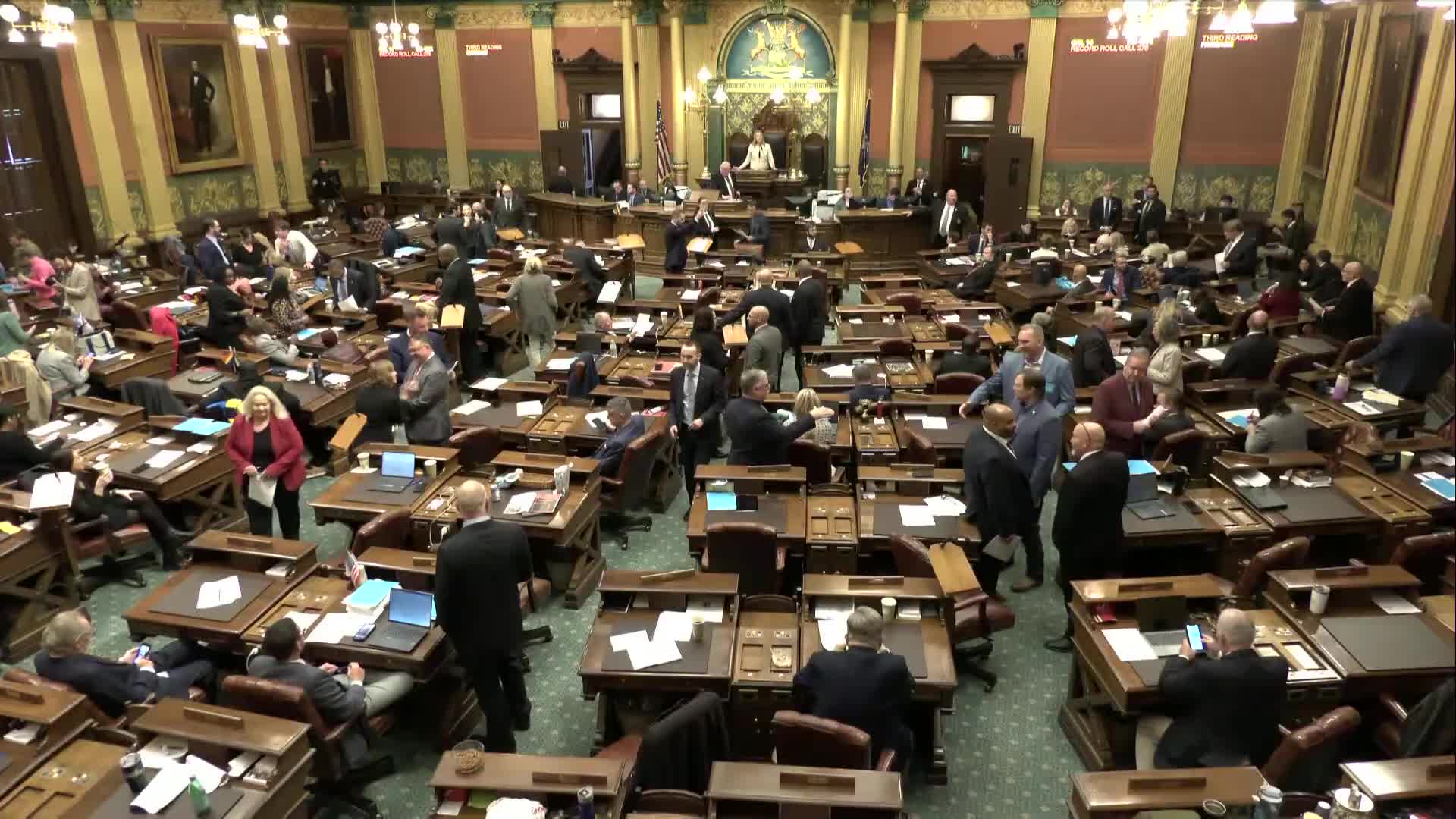
Summary
The Michigan House passed House Bill 4591 to enter the state into a nationwide counseling compact, supporters said the measure will expand access to counseling and telehealth in rural areas. The bill passed 83–23 and was made effective immediately.
The Michigan House passed House Bill 4591, a measure to enter the state into a nationwide counseling compact that lets licensed professional counselors practice across state lines, after a floor debate emphasizing workforce shortages in rural areas.
Representative Bonac, the bill’s floor sponsor, said Michigan faces a “crisis level shortage of mental health workers,” particularly in the Upper Peninsula, and that the compact would ease access by removing regulatory barriers to cross‑state practice and expand telehealth options. “People shouldn't have to drive for hours or wait weeks to address emergent mental health concerns,” Bonac said on the floor.
The sponsor told colleagues that about 40 states have joined similar compacts and that the pact would allow counselors licensed elsewhere to offer services in Michigan more easily, which proponents said would be especially useful in geographically large, sparsely served areas.
After debate, the Clerk announced the final roll call: 83 aye, 23 nay. A majority of members voting in favor meant the bill passed; the majority moved for immediate effect and immediate effect was ordered.
The bill was introduced on third reading and carried amendments and committee referrals before reaching the floor; the clerk recorded individual votes as part of the roll call. The House’s action sends the measure toward enrolment and implementation steps required by state law.
Supporters framed the measure as a workforce and access fix for areas with long travel times to behavioral‑health providers; opponents raised concerns during the roll call but their floor remarks were not recorded in detail in the transcript.