Franklin Elementary, Teach emphasize arts, student leadership and community supports in presentation to school board
Loading...
Summary
Principal Greg Harrison told the school board Franklin Elementary serves about 297 students and the co-located Teach program about 71. He emphasized arts-based instruction, student agency, leadership teams and community partnerships including on-site behavioral services and a growing food pantry.
Principal Greg Harrison told the school board that Franklin Elementary and the co-located Teach program operate as a single building community serving roughly 297 students at Franklin and 71 students at Teach, and that both programs prioritize arts integration, student agency and community partnerships.
"It's an incredibly special place," Principal Greg Harrison said, thanking trustees for their time and support. He described Franklin's class structure (preschool through fifth grade, including a Trailblazer 3 classroom) and Teach's focus on early literacy through third grade, and provided staff counts for the building.
Harrison said specials at Franklin include physical education, music, library and art; Teach adds daily visits from "spark artists" who provide dance and visual-arts instruction and collaborate with classroom teachers. He said the school emphasizes multiple ways for students to demonstrate learning rather than relying solely on paper-and-pencil tests.
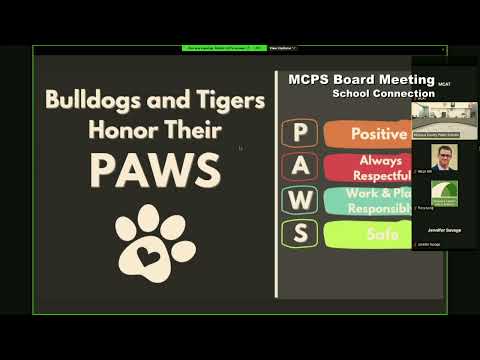
The principal outlined schoolwide systems intended to support culture and behavior: a Leader in Me framework, universal expectations ("positive, respectful, responsible, safe"), a check-in/check-out system for students who need extra behavior support, and a brief daily card called "sparkling moments" to help families talk about positives at home. Harrison said Franklin has seen steady improvement on its annual MRA survey for staff, students and families.
Harrison identified a set of three staff-and-student action teams — academic, culture and leadership — that each staff member joins. The academic team focuses on student goal setting and progress; the culture team aims to ensure every student has a trusting relationship with at least one adult in the building; the leadership team provides student leadership opportunities such as mentoring younger students and cafeteria jobs.
On-site supports include an outpatient therapist from Partnership Health, Brock Bellegarde, and a new HSS program delivered through Aware that provides additional behavioral and therapeutic services at the school, Harrison said. He also highlighted a weekly food pantry run by community liaison Christina Sonovich; Harrison reported that 118 families used the pantry in the last month and that participation has been rising.
Community partnerships were a recurring theme. Harrison said about 20 volunteers read one-on-one with kindergarten students each Tuesday, Parks and Recreation provides after-school slots (about 70 at Franklin, with additional slots created for Teach), the Montana Realtors Organization funded an expansion of the school garden, and Garden City Harvest supports outdoor-classroom work.
Trustee Davy asked whether students who are not enrolled in Teach feel excluded by Teach's additional specials. Harrison said the school does not "publicize" a separation between the two programs and that Franklin students also receive arts-integration supports through buildingwide professional development and staff collaboration.
Harrison closed by inviting trustees to visit the building and see the programs in person. No formal action was taken; the segment was presented as information to the board.