Get Full Government Meeting Transcripts, Videos, & Alerts Forever!
Get email alerts on the School Health topic
No spam. Unsubscribe anytime.
Bear Care outlines expanded services, billing changes and partnerships while board presses on finances and district space
Summary
Bear Care, the nonprofit school-based health center inside White Bear Lake Area High School, told the school board that appointments and services have grown and that the clinic is expanding programs, shifting to insurance‑based billing for sustainability while pledging not to deny care for families unable to pay.
Bear Care, the nonprofit school-based health center operating inside White Bear Lake Area High School, told the school board that appointments and services have grown substantially and that the clinic has expanded its offerings while shifting to an insurance‑based billing model to support long‑term sustainability.
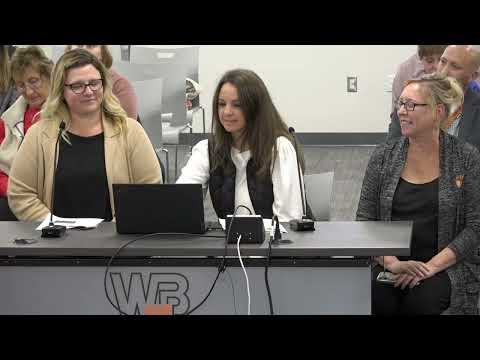
Dr. Jessica Meehee, executive clinical director of Bear Care, said the clinic provides sports physicals, wellness exams, diagnosis and same‑day treatment for common illnesses, immunizations, mental‑health counseling, nutrition counseling and newly added occupational therapy. "We see about 1,200 kids every year" in earlier reports and have grown to over 1,500 appointments in the last year, Meehee said.
The clinic operates a nurse‑led model that uses pediatric and family nurse practitioners and registered nurses, partners with Saint Kate’s and other clinical training programs for student clinical placements, and runs mobile clinics that deliver flu vaccines and school immunizations at district elementary and middle schools. Neli Swanson, a pediatric nurse practitioner, described the mobile work: "We go out to every school in the district to provide specifically flu vaccines or school immunizations," and said the fall program added more than 100 school‑site clinics.
Lisa Borneman, Bear Care’s mental‑health provider, described individual counseling, play therapy, grief/support groups and an internship‑supported mobile counseling model in which an intern can meet with students in school during the day after family release is obtained. "We work with the school, once we have a release, to figure out best timing so that they're not missing coursework," Borneman said.
On operations and sustainability, Meehee said Bear Care recently changed billing practices: the clinic bills families’ insurance first and sends a bill to families only if there is an unpaid balance, "and if they can't pay it, no problem — we still welcome them into the clinic. We will never turn them away for their ability or inability to pay," she said. Staff emphasized the change is intended to preserve services amid shifting grant funding. The clinic described itself as a 501(c)(3) nonprofit and said it has a contract with the district and renews the contract annually.
Board members asked detailed questions about finances and the district’s relationship with the clinic. Mr. Scar asked about the clinic’s financial statements; Meehee said grant timing can affect year‑end snapshots but that the organization believes it is sustainable and that revenue from insurance reimbursements improves stability. When asked whether Bear Care pays rent for space in the high school, clinic leaders deferred to district staff; district staff said the district provides the space and Bear Care provides the services. District staff and clinic leaders also confirmed Bear Care indemnifies the district for care the clinic provides.
Several board members asked about consent and minor privacy rules. Meehee said primary care for minors requires parental consent under Minnesota law and that releases are needed to share information with outside primary‑care providers. "For minors, we don't typically check a license or things like that; we rely on families and the school to help with referrals," she said.
Funding sources for the clinic were discussed; clinic leaders said they receive state funding and private foundation support but currently have no federal funding. Board members pressed for additional details about financial reserves and confirmed that Bear Care intends to continue operating as a separate nonprofit entity rather than become a district program.
District and clinic leaders fielded practical questions about appointment costs, which they said are published on Bear Care’s website and can be provided in advance, and about whether a 15‑year‑old can self‑schedule: Meehee said primary care requires parental consent. Board members generally expressed appreciation for the clinic’s services while requesting follow‑up information on financials and the formal district‑clinic agreement.
The board did not take action on Bear Care’s presentation; members thanked the presenters and moved to the next agenda item.