
North Salem describes tier 2 reading assistance program aimed at students just below grade level
Get AI-powered insights, summaries, and transcripts
Subscribe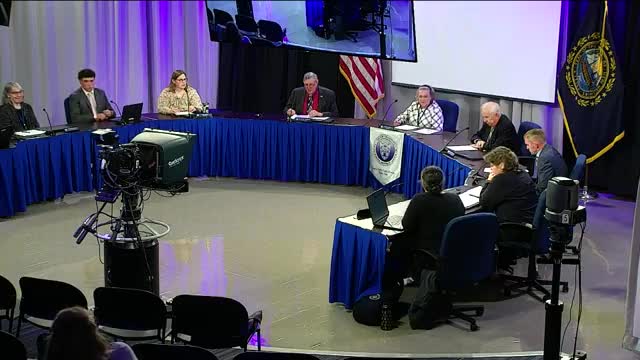
Summary
North Salem School staff presented the district’s tier 2 reading assistance program to the Salem School Board, saying the program provides targeted, small‑group instruction for students who are just below grade level in reading.
North Salem School staff presented the district’s tier 2 reading assistance program to the Salem School Board, saying the program provides targeted, small‑group instruction for students who are just below grade level in reading.
Katie Summers, North Salem’s reading specialist, told the board the intervention is delivered during a scheduled daily 30‑minute block and led by four reading assistants who are trained in evidence‑based programs including Foundations, Heggerty and UFLI. "These assessments include running records, passage reading fluency checks, Heggerty assessments, core phonics, foundations unit assessments, and DIBELS for progress monitoring," Summers said, describing the data used to identify students and track growth.
The program groups students by specific skill deficits so instruction can be tailored. Summers said staff meet weekly to review data and adjust groupings: "Each week, I meet with staff to review student data and plan small group instruction," she said. That ongoing monitoring includes schoolwide literacy data compiled three times a year (fall, winter, spring) and teacher‑level data such as dictations or unit checks that are shared with reading room staff.
Abigail Kerrigan, a fifth‑grade student who spoke to the board, described the reading room as "very tailored" and said it makes spelling and reading lessons "fun" and more multisensory: "I love how reading group teachers make reading and spelling fun," she said. She added that the program has helped her spelling and ability to read passages.
Board members asked how students are selected and whether participation pulls students from core instruction. Summers and other staff said selection uses multiple data sources, including i‑Ready scores (administered three times a year in K–2 and twice a year in grades 3–8), dyslexia screening measures, and other one‑on‑one assessments; teacher referrals and building intervention teams are also part of the process. Summers said the intervention block is scheduled so students are not missing new core instruction in class.
School staff said the program serves a range of students (including some students with IEPs or 504 plans when reading difficulty is not the primary special education need) and is intended to be flexible in duration: some students remain in the program for extended periods while others need a shorter reteach to return to grade‑level instruction. Staff noted that kindergarten through fifth grade all have access where needed, and that reading assistants sometimes push into kindergarten classrooms.
The presentation included examples of multisensory strategies (magnetic letters, dry erase boards, word‑building cards) and emphasized consistent routines and relationships between students and reading staff as important supports. District staff said the model is consistent across the district’s elementary schools and that the director of literacy coordinates practices and assessments districtwide.
Board members and staff also discussed how the district’s adoption of updated grade‑level phonics resources appears to be reducing needs in the youngest cohorts while leaving a larger group of older students who did not receive the new Tier 1 early instruction. School staff said they are using Just Words and Foundations materials with older students to move instruction from word‑level skills to sentence and passage fluency.
The board did not take formal action on the presentation; members thanked the North Salem team for the overview and held a question‑and‑answer period with staff.