
Salem Retired Educators Association awards innovation grants to three staff members
Get AI-powered insights, summaries, and transcripts
Subscribe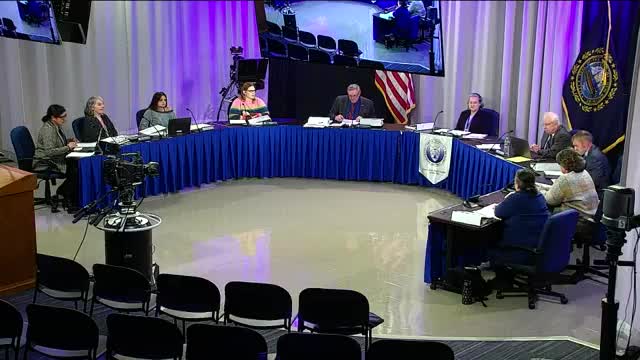
Summary
The Salem Retired Educators Association and Salem Kiwanis provided funds for three staff innovation grants: Woodbury occupational therapist Kelly Higgins, Salem High science teacher Michelle Cusack and Salem High special-education transition coordinator Jennifer Hale.
At the Oct. 28 meeting of the Salem School Board, chair Pamela Berry recognized the Salem Retired Educators Association (SREA) and its decision to retool its longtime scholarship program into an innovative-project grant for district staff.
The SREA — described by Berry as an “active 65 member group” of retired teachers, support staff and administrators — awarded funds to three staff proposals. Frank Stewart, present as SREA president, explained the association initially committed $1,000 and that the Salem Kiwanis donated a matching $2,000; Stewart and SREA members then reviewed applicants and selected three proposals.
Grant recipients and projects
- Kelly Higgins, occupational therapist at Woodbury Middle School: classroom-based self-regulation toolkits for general education teachers (examples cited: noise-reduction headphones, chair bands, fidget rings, wiggle cushions and stools). - Michelle Cusack, science teacher at Salem High School: materials to build and use student-made spectroscopes and purchase of color-blindness glasses for related instruction. - Jennifer Hale, special-education transition coordinator at Salem High School: seed funds to set up a student-run thrift store operated by students in the life program to teach job readiness, social and financial-literacy and organizational skills.
Stewart thanked SREA members who served on the selection committee and the Kiwanis for the matching funds. The board publicly acknowledged the grants and invited recipients and SREA representatives forward for photographs.
Why it matters: The grants are modest but targeted to classroom innovation and transition programming. They represent a district–community partnership model that supplements classroom resources without recurring operating costs.