Get Full Government Meeting Transcripts, Videos, & Alerts Forever!
Get email alerts on the School Finance topic
No spam. Unsubscribe anytime.
Canyon ISD earns top annual financial rating and approves monthly financials; business office outlines operational changes
Summary
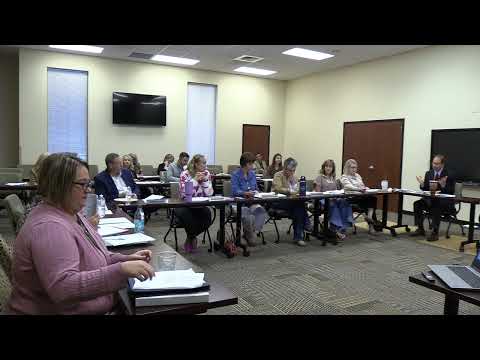
Canyon ISD reported to the board Oct. 20 that it met all TEA financial indicators for the 2024–25 annual financial management report and the board accepted the district’s monthly and quarterly investment reports.
The Canyon ISD Board of Directors received the district’s 2024–25 annual financial management report (based on FY2023–24 audited data) during a required public hearing Oct. 20 and noted the district met all 21 TEA indicators used in the rating. District staff said the rating effectively produced a perfect score for the district on the TEA indicators.
Following the public hearing, the board accepted the district’s monthly financial reports and the quarterly investment report. The business office presented reconciled (pre‑audit) balances: approximately $28 million in bank cash plus roughly $24 million in investment pools (total cash and investments reported in the presentation). The quarter’s investment income and interest receipts were noted; board members asked routine audit questions about reconciliation and year‑to‑date figures.
Administrators reviewed operational changes intended to increase transparency and reduce long‑term costs. Transportation was moved into an internal service fund so individual programs and departments are charged for their specific transportation use, staff said, which the business office said has already changed behavior and planning among program leaders. The business office is also consolidating duplicate software subscriptions and migrating accounting and HR to Skyward to eliminate multiple legacy systems.
A third‑party telephone and Internet analysis was reported to estimate roughly $50,000 a year in recurring savings by canceling unused lines and moving certain services to IP‑based systems. Staff described an initiative to educate employees on health‑insurance use (HSAs, ER vs. urgent care, outpatient settings) as a strategy to lower claims costs and improve competitiveness in future benefit solicitations.
The board accepted multiple donations from local businesses and booster clubs totaling about $51,825 for athletics, fine arts, robotics and student leadership grants.
The board voted to accept the financial reports and investment report; separate motions confirmed continuing oversight of debt service and acknowledged incomplete audit entries to be finalized during the external audit.