Get Full Government Meeting Transcripts, Videos, & Alerts Forever!
Get email alerts on the Employment Discrimination topic
No spam. Unsubscribe anytime.
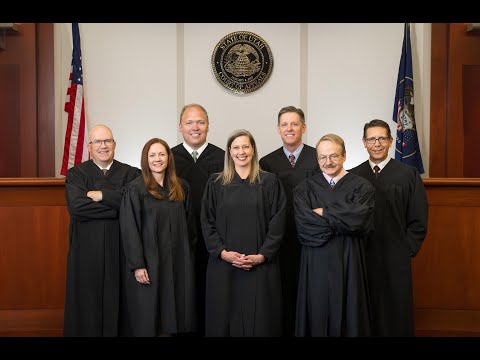
Appeals court hears dispute over whether short-term disability claim triggered interactive process at Utah State University
Summary
The Utah Court of Appeals heard argument in an employment appeal over whether Utah State University violated disability‑accommodation and anti‑retaliation rules when it fired Dr. Leila Sadeeshkar while she was on short‑term medical leave.
The Utah Court of Appeals heard argument in an employment appeal over whether Utah State University violated disability‑accommodation and anti‑retaliation rules in its dismissal of Dr. Leila Sadeeshkar.
Joshua Davidson, assistant Utah solicitor general, told the court that "this court should reverse the labor commission's order on both the failure to accommodate claim and the retaliation claim under the Utah anti discrimination act." He framed the appeal as largely legal, relying on Utah Code section 63G‑4‑403 review standards and contending that the Labor Commission applied the wrong legal standard when it found the university triggered the interactive process.
The crux of the dispute is what must be communicated to an employer to trigger the interactive process under the ADA/UADA. Davidson argued the law requires more than vague or speculative references to medical problems: an employee must communicate limitations caused by a disability and request an accommodation linking the limitation to the proposed fix. He told the court that "mere awareness of a disability by itself is insufficient to trigger the interactive process" and emphasized that a third‑party short‑term disability (STD) claim to Hartford did not, as a matter of law, convey the necessary information to the university.
Aaron K. Bergman, counsel for Dr. Sadeeshkar, said Utah State had ample information to be on notice. Bergman told the court that Sadeeshkar had an approved period of medical leave and that university staff referred her to HR and advised about available STD leave. Bergman argued the university’s own emails and referrals (including a September HR referral and a later email that attached a denial letter dated the 14th) put the employer on constructive notice and that Tenth Circuit authority does not require the level of pre‑request specificity the university urges. Bergman stated that the university "had more than enough information to put it on notice of its responsibility to engage in [the] interactive process."
Judges questioned both sides about fine distinctions in case law — whether an employee must identify a specific accommodation (for example, a fixed number of months of leave) before the interactive process is triggered, whether an STD application to a third‑party vendor transmits medical information to the employer, and how an employer’s existing disability policies affect notice. Counsel debated circuit authorities and precedents the court might follow, with Davidson citing cases that disfavor treating third‑party benefit applications as employer notice and Bergman citing Tenth Circuit decisions (including Danzy and others) that he says support a looser notice requirement.
No decision was announced from the bench. The court thanked counsel and said it would "take the matter under advisement and render a written decision as soon as we can."