Valley Transit budget: Appleton share rises modestly as driver shortages shape service planning
Summary
Valley Transit officials told the committee the 2026 budget is essentially a straight‑line budget with modest increases driven by salary and fringe changes; restoring service depends on driver hiring and regional agreement.
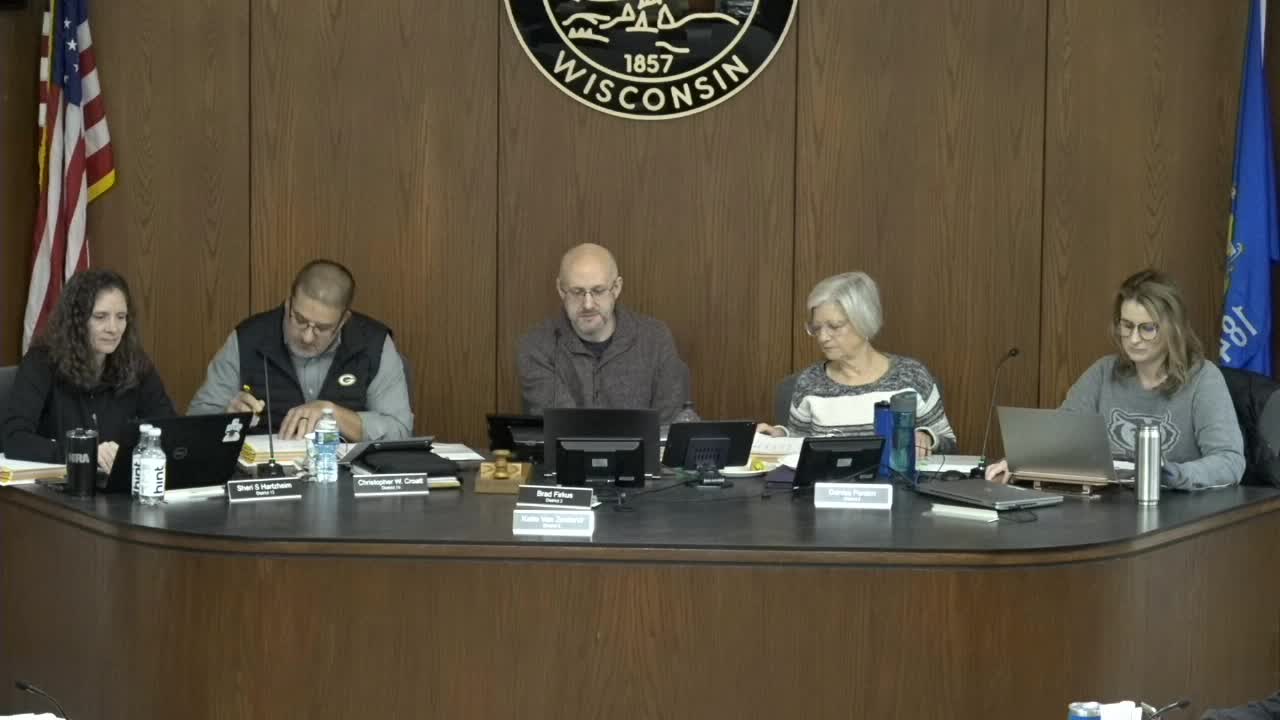
Valley Transit presented its 2026 budget to the Appleton Finance Committee on Nov. 1, 2025. The agency said the system is funded through a mix of the Federal Transit Administration, the Wisconsin Department of Transportation, nine municipalities, three counties (Winnebago, Calumet, Outagamie), fares and institutional agreements (e.g., Lawrence University, school fare contracts). When all funding partners are combined, the city of Appleton funds about $0.07 of every operating dollar, a figure transit leaders described as a relatively efficient local contribution.
Key points - Budget changes: The city share for Valley Transit increases about $20,000–$26,000 from the prior year, largely reflecting staff salaries and fringe benefit changes rather than service expansions. Agency staff emphasized that the budget is not simply a "copy‑paste" exercise — line items were carefully reviewed and some costs were reallocated to correct business units. - ADA and paratransit: Valley Transit reduced its ADA (paratransit) contracted services estimate due to lower ridership than anticipated. Staff noted ADA service is a federal requirement where jurisdictions that operate fixed‑route service must provide complementary paratransit for eligible riders. - Fuel, depreciation and contracted services: Fuel was budgeted at $3.75 per gallon for 2026; depreciation rose after a number of vehicles and fareboxes aged out of earlier depreciation schedules. Contracted ADA service projections were reduced; however some contracted services increased due to vendor price hikes. - Service restoration depends on hiring: Commissioners and staff discussed driver shortages, which forced Valley Transit to reduce peak and evening services in recent years. A transit development plan (TDP), funded through a local match ($40,000 removed from 2026 because TDP work will occur in 2025 under regional planning), will recommend prioritized service changes to implement if driver hiring improves. Because the system is governed and funded regionally, service restorations (e.g., more service on Route 15 or extended hours) require agreement across municipalities.
What happens next Committee members asked detailed questions about training, fare revenue projections and contingency planning; the committee approved the budget and asked staff to report back with results of the TDP expected in late spring/early summer 2026. Transit leaders said restoring prior service levels is a priority but will rely on both hiring success and inter‑municipal financial support.