Get Full Government Meeting Transcripts, Videos, & Alerts Forever!
Get email alerts on the Juvenile Services topic
No spam. Unsubscribe anytime.
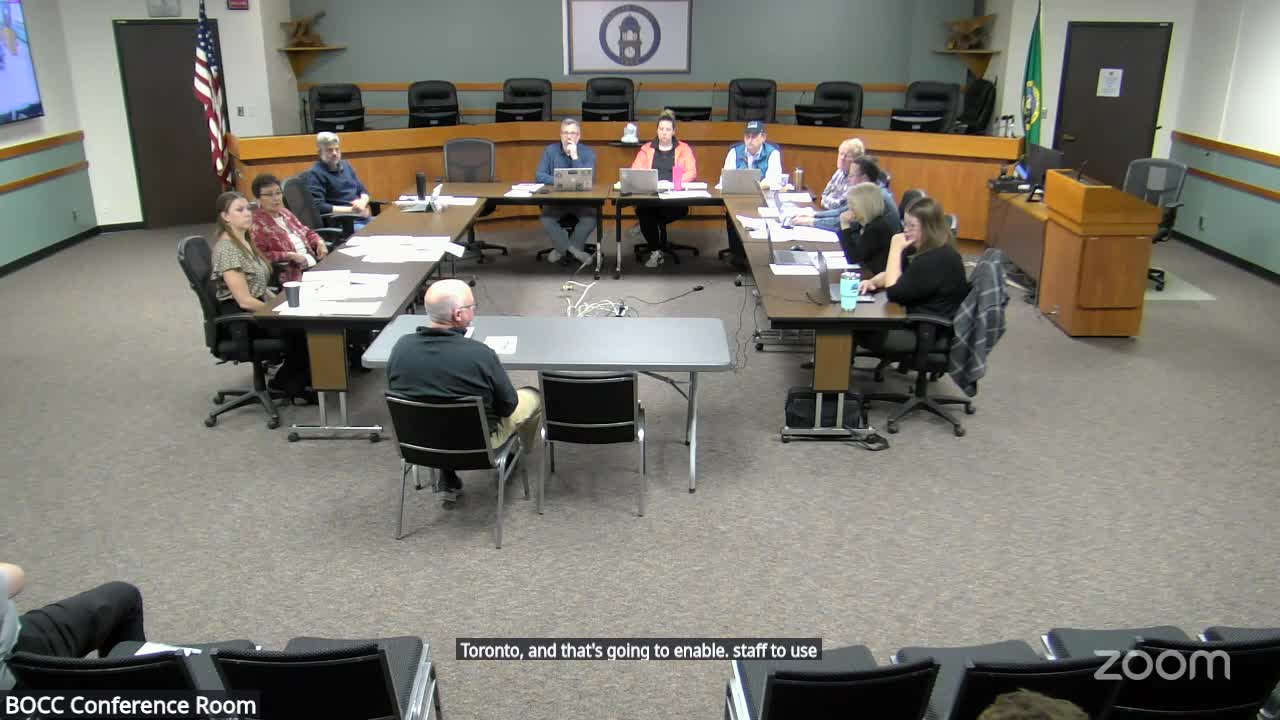
Juvenile services warns of tight 2026 finances; probation and detention staffing, control‑room and roof repairs flagged
Summary
Juvenile services managers told commissioners on Nov. 4 that 2026 will be a tighter year after one‑time grants were removed from base revenue; the department urged caution about staffing reductions and flagged capital priorities — a control room upgrade, HVAC/chiller work and roof repairs — as funding targets if sales‑tax retransfers are increased.
Clallam County juvenile services leaders told the Board that the department’s 2026 budget will be tighter after staff removed one‑time revenues associated with grants and programming (for example, TrueStar and HCA funds) from the base year. The department said the county’s criminal‑justice sales tax is the primary ongoing revenue source, but removing grants and applying retransfers for capital leaves limited operating dollars for utilities and contract services.
Retransfers and capital priorities: staff said the department currently runs a retransfer of a portion of the criminal‑justice sales tax to a facilities/capital pool (historically at 5%) and that commissioners previously discussed a future target of 10% to fund major capital needs (control room, chiller/air‑conditioning, roof). Juvenile leaders said the 5% retransfer and the department’s limited operating budget together leave only modest funds for non‑personnel items: the unit’s utilities alone approximate the remaining non‑personnel allocation in the recommended budget.
Staffing, vacancies and overtime: juvenile services reported seven open positions at the time of the meeting (several hires in progress). The department said detention requires minimum staffing of three employees per shift (control room plus floor coverage) and typically operates with four day/three night schedules when fully staffed; department leaders described past use of "power shifts" and on‑call positions to manage coverage. Probation carries roughly 110 offender cases (about 74 juveniles) and approximately 142 non‑offender cases; staff described state risk‑assessment requirements and the variability of contact frequency by risk level.
Commissioner discussion and next steps: commissioners asked whether changing staffing mixes — for example adding a dedicated control‑room technician — could reduce overall labor costs or risk; juvenile leaders said cross‑training and interchangeable staffing are currently relied upon for flexibility, and that reducing headcount would increase operational risk and reliance on overtime. The board asked staff to continue work on capital priorities and to present follow‑up numbers on how a 10% retransfer or other targeted measures would affect operations.
Provenance: Juvenile services revenue and staffing were presented beginning at 00:52:58 and discussed through the session (last referenced 01:36:00).