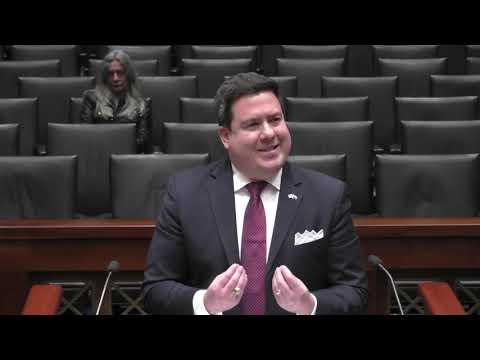
Justices probe appealability after trial court issued competing summary‑judgment and clarifying orders
Loading...
Summary
During argument in Family Dollar Stores of Texas v. JLMH Investments, counsel disputed whether the appeal is from a final judgment or interlocutory order after the trial court signed two summary‑judgment orders and later issued a clarifying order purporting to permit an appeal and stay proceedings.
Before the court reached the parties’ dispute over the merits, petitioners’ counsel asked the justices to resolve a jurisdictional question about appealability: the record contains two summary‑judgment orders (one counsel says was filed on April 14 and another on April 17, 2023) and a subsequent trial‑court clarifying order that used final‑language while also purporting to allow a permissive appeal and stay proceedings.
Mister Downey told the court that the clarifying order “had no effect on the actual finality by which it landed” and that the second court of appeals reached the correct conclusion treating the matter as an appeal from a final judgment. He described a practice in which trial courts sometimes issue clarifying orders after a judgment but argued the clarifying order here did not change finality.
Respondent’s counsel, Mister Wert, told the court that the parties submitted competing proposed clarifying orders and that the judge signed the other side’s order, which, he said, made the order more final in character; respondent asked the court to consider the competing filings in resolving jurisdiction.
The bench questioned whether any further proceedings had occurred after the clarifying order and whether the clarifying order actually altered the trial court’s decree. The justices will resolve whether this appeal is properly characterized as interlocutory or from a final judgment before or as part of deciding the substantive limitations question.