Olympia residents press council to pause 8-year multifamily tax exemptions; consent calendar including two MFTE projects approved
Loading...
Summary
A crowd of residents pressed the Olympia City Council on Monday to halt or narrow approvals of 8-year multifamily tax exemptions, saying the program largely benefits market-rate developers and shifts property-tax burdens to other homeowners and renters.
A crowd of residents pressed the Olympia City Council on Monday to halt or narrow approvals of 8-year multifamily tax exemptions, saying the program largely benefits market-rate developers and shifts property-tax burdens to other homeowners and renters.
At its Nov. 3 meeting, the council heard more than a dozen speakers during public comment who said the city should pause the MFTE program, require stronger affordability conditions, or pursue alternative tools such as inclusionary zoning or community land trusts. Jim Lazar, one of the in-person commenters, said the two consent items before the council "would give ... about $3,000,000 in subsidies for their projects" and that "this is just reverse Robinhood action." Larry Jezza and Rhonda Larson Kramer told the council that MFTEs primarily increase developer profit margins and asked the council to seek transparent, measurable public benefits before approving further exemptions.
Mayor Pro Tem Nguyen opened the council—s discussion by asking colleagues whether they had appetite to respond to the comments. Several councilmembers said they were sympathetic to concerns about a "tax shift" and the program—s track record. Councilmember Gilman asked staff to provide project-by-project evaluations and to restore routine public reporting on exempted projects so the public and council can see rents, performance indicators and the estimated tax burden per median household. City Manager Bernie told the council that the two projects on consent were submitted under the MFTE policy changes the council approved in 2024 and recommended approving them while the council pursues a longer review of the MFTE program; he said a moratorium would be an option if council so chose but staff would need time to inventory projects in the pipeline.
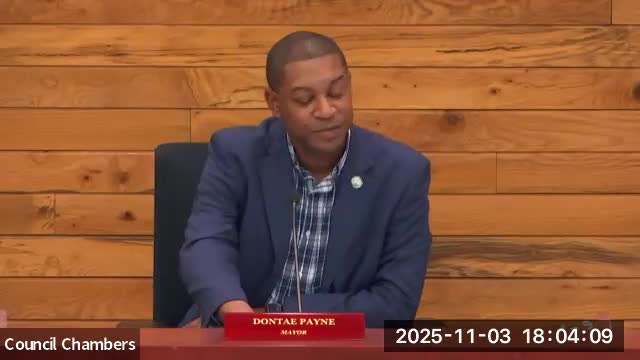
Despite requests to pull items for separate votes, the council adopted the consent calendar by voice vote. Mayor Payne announced, "All those in favor of adopting the consent calendar as published, signify by saying aye," and the motion was approved. The two MFTE projects that drew the public comments therefore remained approved through the consent vote.
Councilmembers repeatedly emphasized they want more data and public transparency before making future decisions. Councilmember Cooper said the council needs clear performance indicators and thresholds to know when to turn incentives on or off; she noted the city now has vacancy data and a recent county housing study that should inform policy choices. Gilman and other members suggested restoring an annual reporting routine that would show whether MFTE properties are meeting stated affordability or public-benefit goals. City Manager Bernie said staff will work with the land use committee and return options for a work plan in the coming year.
Speakers and next steps
Speakers who urged reconsideration included Jim Lazar; Larry Jezza; Rhonda Larson Kramer; Lisa Reiner; and John Newman. Councilmembers asking for additional review and project-level criteria included Mayor Pro Tem Nguyen, Councilmembers Cooper, Gilman and Vanderpool. City Manager Bernie said staff would follow up with details about pipeline projects and the prospect of a moratorium if the council wished.
The council did not adopt any new policy changes at the Nov. 3 meeting; rather, it approved the published consent calendar (which included the contested MFTE items) and directed staff and council committees to return with performance metrics, a list of currently exempted projects, and a path for more deliberate, project-level review.