Get Full Government Meeting Transcripts, Videos, & Alerts Forever!
Get email alerts on the Human Trafficking topic
No spam. Unsubscribe anytime.
Into the Light outlines services and seeks local support after federal grant loss
Summary
Into the Light told the committee it has provided prevention, 24/7 crisis response and long‑term advocacy for minor survivors of human trafficking since 2015 and asked the county and community for support after losing a VOCA federal grant.
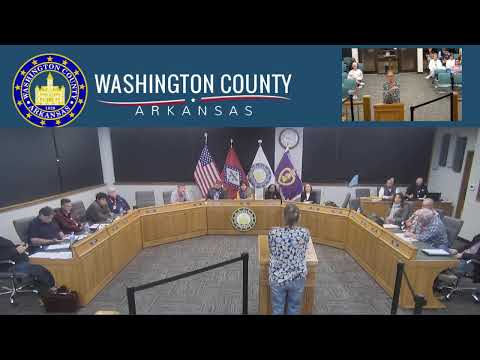
Into the Light, a Northwest Arkansas nonprofit that provides prevention education and long‑term advocacy for trafficking survivors, presented its work to the Washington County Services Committee on Oct. 28 and described partnerships with juvenile detention, local law enforcement and federal investigators.
Gretchen Smeltzer, the organization27s local director, said the group began delivering prevention programming in juvenile detention settings in 2015 after two youth disclosed trafficking during a presentation. She described Into the Light27s services as prevention presentations for high‑risk youth, 24/7 crisis response to suspected victims, and sustained advocacy including case management and life‑skills support. "Trafficking happens in relationship and healing happens in relationships," Smeltzer said, summarizing the group27s approach.
Smeltzer told the committee Into the Light recently lost a VOCA victim‑services grant (approximately $267,000) and that the organization currently serves 22 children from Washington County. She estimated the average advocacy cost to serve an identified child at about $4,000 per year.
Sheriff Cantrell told the committee the department will partner with Into the Light to produce short training videos for deputies and municipal law enforcement partners. "We're gonna try to educate our deputies, with some of their techniques and some of their training," Cantrell said, and to make the training available for roll call briefings and intake officers.
Committee reaction and next steps: Justices expressed strong support; several suggested working with churches and local sponsors to match funding. Some justices asked staff to follow up in a future meeting and explore whether county facilities (including the emergency operations center) could host training. Into the Light requested community partners for funding and volunteers but no specific county appropriation was proposed or voted on at the meeting.
Public safety context: Presenters and deputies emphasized that earlier identification and rapid, trauma‑informed response can reduce long‑term harm and help prosecute traffickers; Smeltzer cited a 2016 federal conviction related to a local trafficking case as an example of partnership outcomes.
No formal committee action was taken to allocate county funds at this meeting; staff were asked to follow up with Into the Light regarding potential county logistical support for training and community matching funds.