
Spokane council narrows mayor’s emergency declaration after debate over procurement, sheltering and food aid
Get AI-powered insights, summaries, and transcripts
Subscribe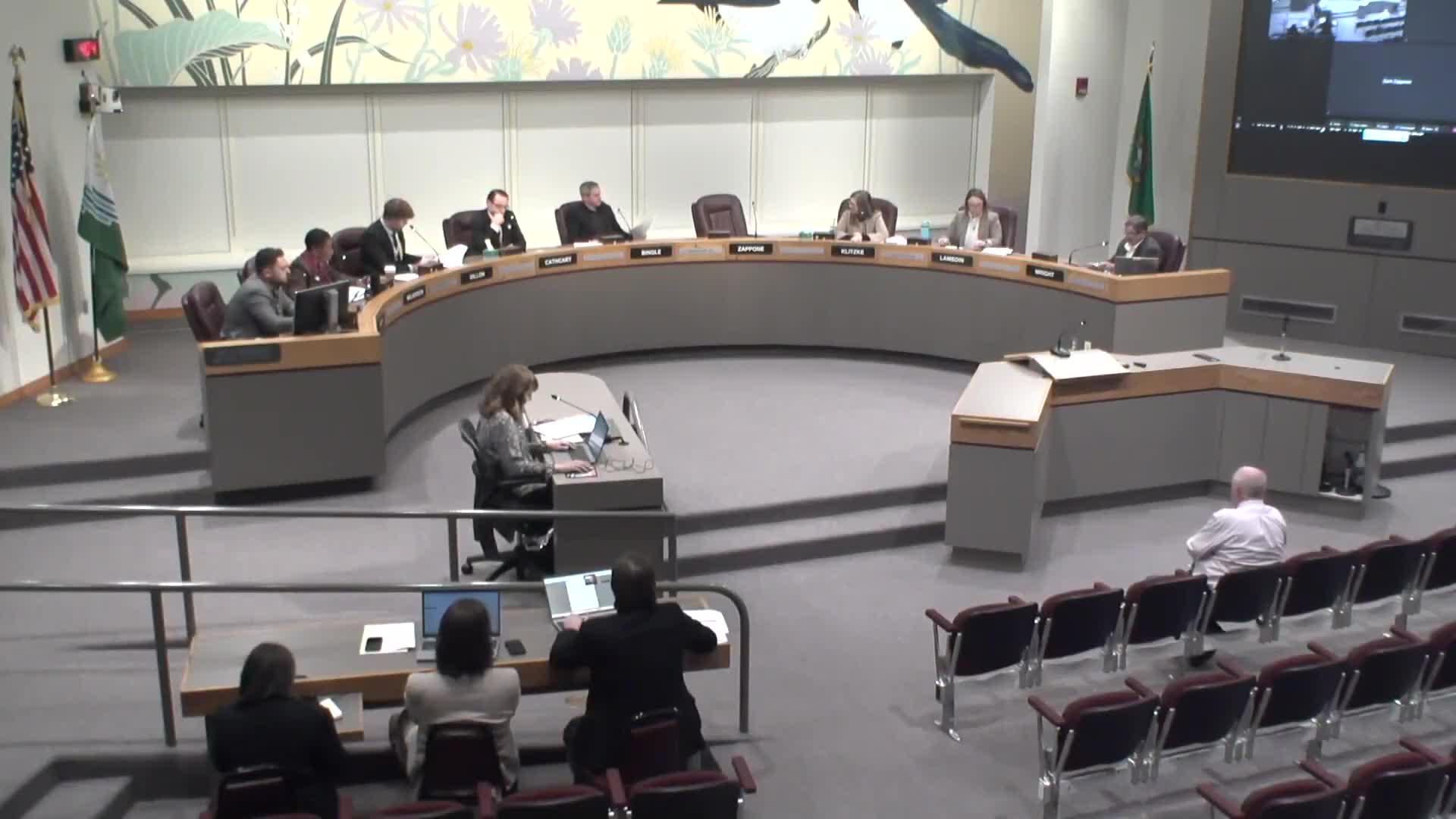
Summary
Spokane City Council added and amended a resolution responding to the mayor’s Oct. 29 emergency declaration on homelessness and related services, approving initial spending limits but deferring final action until Nov. 10 for more detail.
Spokane City Council added a resolution responding to the mayor’s October 29 executive order and emergency declaration and then debated two competing amendments that limited the scope and spending authority of the declaration.
Councilors raised procedural and policy concerns about using an emergency declaration to bypass standard contracting processes. Council member Bingle argued the declaration should be narrowly focused on immediate food needs and criticized any move that would allow the administration to “bypass the contracting processes” and reduce council oversight. Council member Dillon and others said broader authority could help get eviction prevention funds, shelter beds and behavioral-health services into place quickly while federal funding was uncertain.
The council first considered an amendment that would confine emergency spending to food and cap that spending at $250,000. Proponents said the amendment preserved emergency response for immediate hunger needs while protecting procurement guardrails. Opponents said the amendment was too narrow to address shelter capacity and other urgent needs that require multi‑month contracts.
A second, competing amendment would have set a different set of caps and funding sources: lowering a general cap to $500,000 of general‑fund dollars, authorizing $1,000,000 from the Heart Fund and adding a $30,000 allocation specifically for food assistance, and would allow contracts that extend into 2026. Supporters said the amendment would allow providers to plan with longer contracts and pay for surge shelter capacity and eviction-prevention services; opponents said the time horizon was too long for an emergency and worried about ceding council authority.
The food-limited amendment passed on the first vote (recorded as 5–2). The competing amendment later passed on a separate vote (recorded as 4–3). After the votes, councilors voted to defer final consideration of the resolution to the Nov. 10 meeting so staff can supply updated language and additional details for council review.
The discussion produced no final procurement changes at the meeting; council asked the administration for clarifying documents and a redlined version of the resolution ahead of the continued hearing on Nov. 10.