Athens City presents $4.5M plan for Strain Road drainage; residents press city on sewer fees and construction impacts
Loading...
Summary
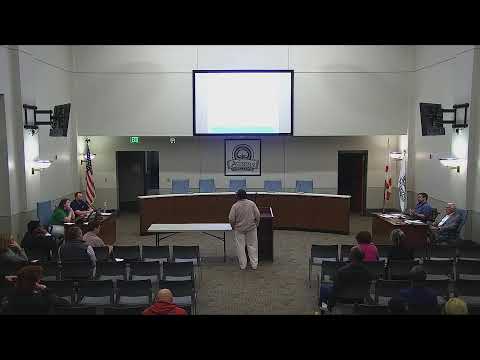
Athens City held a public hearing on the Environmental Information Document for the Strain Road project, confirming $4.5 million in federal funds and a two‑phase plan that prioritizes drainage improvements; residents urged the city to commit in writing to low or no sewer connection fees and better construction notices.
Athens City held a public hearing on the Environmental Information Document for the Strain Road improvement project, where city officials and contractor Krebs Engineering described a two‑phase plan and said $4,500,000 in federal funding has been allocated to the work.
Matthew Reynolds, senior associate for Krebs Engineering, told residents the EID "evaluates the potential environmental impacts of the proposed project" and is a required step in the State Revolving Fund application process. He outlined a two‑phase approach: phase 1 focuses on stormwater and drainage — including box culvert replacements at Luke Street, under Strain Road and beneath the landfill roadway to convey water toward Swan Creek — and phase 2 would evaluate sanitary sewer needs for a largely septic community.
The city and consultants said federal sources already assigned to the project include $123,000 from the American Rescue Plan Act (ARPA), $3.8 million from the Bipartisan Infrastructure Law (BIL) and $500,000 from the Clean Water State Revolving Fund, for a total of $4.5 million. "For this project, the city of Athens has, solidified a total of 4,500,000 for the s for the Strain Road improvement project," Reynolds said.
City staff described next steps and schedule: the project must be publicly bid and will come to city council for award; staff said the city aims to advertise the phase 1 contract in January. Construction time for phase 1 was estimated at about 120–150 working days (roughly three to four months) after a notice to proceed is issued, though staff warned that bidder turnout could affect timing.
On technical standards, the consultant said the hydraulic model used the 100‑year design event as the planning baseline and that local planning treats a 100‑year event as roughly 12–13 inches of rain in 24 hours. Reynolds said the design changes are intended to increase conveyance so floodwater remains within channel banks and exits the neighborhood more quickly.
Residents at the hearing welcomed progress but raised multiple concerns. Diane Steele of the Limestone County NAACP said residents endure repeated flooding and asked whether households would be charged connection or maintenance fees to join a sewer system. "No family should face new financial burdens to connect to the sewer system," Steele said. City staff replied that the city will examine connection fees during the sewer‑planning phase and "absolutely" will try to minimize costs; staff did not give a definitive fee policy at the hearing.
Attendees also asked how the city will notify residents and limit construction impacts. Staff said contractors must meet traffic control and erosion‑control requirements, hold required permits with the Alabama Department of Environmental Management (ADEM) and will be contractually liable for site practices; the city can withhold payment for noncompliance. The city said it will use its communications staff to issue Nixle/community alerts and written notices before work begins.
Residents sought written commitments on equity and local hiring. Staff said Disadvantaged Business Enterprise (DBE) outreach is a federal requirement and that the city will document efforts to recruit local and minority‑owned contractors; the city asked the public to supply references for interested firms.
Officials also said attorneys are negotiating easements with a large private property owner (identified at the meeting as Bridgeforth Farm) to secure the channel width needed for the drainage work. Staff emphasized that any work on private property requires a deed, easement or purchase before construction can occur.
The hearing closed with staff urging attendees to sign in and leave contact information for follow‑up; staff said the EID and agency concurrence letters are part of the application package and will be used to finalize the SRF application and move to detailed design and contracting.
For residents: staff recommended signing up for city alerts, and the project team offered contact cards for follow‑up questions and to submit local contractor details.