Committee asks staff to analyze tax-share agreements after Lincoln and Rocklin raise concerns about county splits
Loading...
Summary
Following public comment from municipal representatives, the committee asked staff to return with more analysis of project-based tax-sharing agreements, including the Lincoln example, and to explain statutory timelines and the county's approach to negotiations.
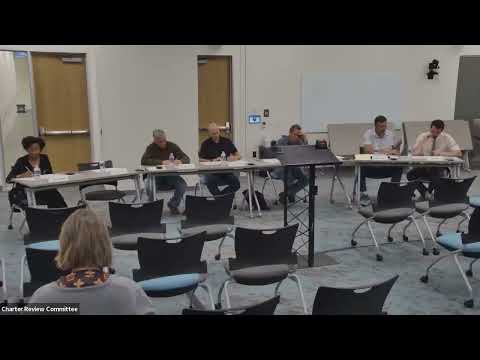
Public speakers representing cities and nonprofits told the Placer County Charter Review Committee that recent tax-share negotiations associated with annexations and development have produced outcomes they view as disproportionate and opaque.
At the Sept. 29 meeting, staff summarized that project-based tax-sharing agreements vary by project and typically reflect the services and fiscal analysis for the specific proposal. Staff noted recent splits have ranged from roughly 50/50 to 60/40 (county/city), but that the precise split depends on project-level service needs and negotiations.
Public commenters from Lincoln and Rocklin explained that their municipalities had engaged the county over annexations and objected to negotiation timing and transparency. Michael Garabedian and others urged the committee to request the county provide detailed revenue-need accounting, to set clearer response timelines, and to explore binding arbitration if negotiations stall.
Committee response and action: The committee voted to ask staff to return with a more detailed briefing on the county's tax-share negotiation process, including statutory obligations, examples (the Lincoln case was specifically requested), and whether administrative or charter changes could improve clarity and timeliness. The motion passed on a roll call.
Why it matters: Tax-share agreements determine how property tax growth from annexed land is split between the county and incorporated cities. Those allocations affect municipal revenues available for services and infrastructure, and disagreements can delay or complicate project approvals.
Staff note: Revenue and Taxation Code provisions govern tax-allocation procedures; staff said it will identify statutes and describe how deadlines and procedures operate in practice.