Get Full Government Meeting Transcripts, Videos, & Alerts Forever!
Get email alerts on the Property Law topic
No spam. Unsubscribe anytime.
Appeals court hears challenge to Lynnfield's Chapter 40B enforcement and alleged taking in Piscucci v. Town of Lynnfield
Summary
Plaintiffs say a 2014 default and lack of the promised in-person damage-assessment hearing produced flawed process and a regulatory taking; the town says the plaintiffs were sanctioned for discovery abuses, were properly noticed, and the appeal is procedurally defective.
The appeals court heard argument in Michael and [spelled in record as] Mister Piscucci v. Town of Lynnfield over procedural challenges to a 2014 enforcement action under Chapter 40B and whether the town's enforcement amounted to a taking requiring relief.
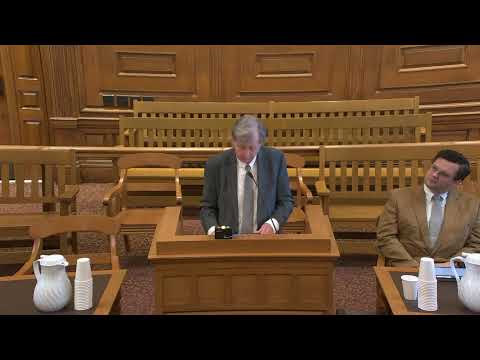
Plaintiffs' counsel Michael Walsh argued that in the earlier superior-court action the Pascuccis were defaulted following discovery misconduct and that the court promised an in-person hearing on damages before final relief was awarded. Walsh told the panel the Pascuccis repeatedly attempted to participate, including appearing pro se, but did not receive the oral damage-assessment hearing the superior court had indicated would follow and that, as a consequence, the judgment and subsequent eviction and sale orders are void for lack of process and amount to an uncompensated taking.
Town counsel Tom Mullen said the record shows repeated failures by the Pascuccis to comply with discovery and that the superior court entered judgment as a sanction under Rule 37; the town also argued the plaintiffs' present appeal is procedurally defective because their notice of appeal was filed before disposition of a Rule 59 motion and thus is a nullity under appellate rules. Mullen disputed the plaintiffs' characterization of an absence of notice and said the town served the pleadings and later, out of caution, mailed materials directly to the Pascuccis as well.
The court pressed counsel on the timing of the notice of appeal, the consequences of Rule 54(b) and Rule 59 motions, whether a premature notice can be treated as harmless, and whether the record contains sufficient evidence to support a First Amendment retaliation theory the plaintiffs raised in opposition to summary judgment. The panel later recessed into deliberation.
Provenance: plaintiffs' opening at 02:42:15 and town reply at 02:57:27.