Get Full Government Meeting Transcripts, Videos, & Alerts Forever!
Get email alerts on the Emergency Food Grant topic
No spam. Unsubscribe anytime.
Superior council authorizes emergency food-security grants; mayor given $24,999 for immediate relief
Summary
The Superior Common Council on Tuesday approved a resolution to establish an emergency food-security grant program and authorized Mayor Jason Payne to spend up to $24,999 immediately to address urgent shortages while reserving larger awards for council review.
The Superior Common Council on Tuesday approved a resolution to establish a temporary emergency food-security grant program and directed city staff to issue an application for nonprofit and eligible organization requests.
Mayor Jason Payne presented the resolution as a rapid response to what he described as empty food shelves and an uncertain federal safety net. "This doesn't execute anything tonight. It doesn't spend any money tonight," Mayor Jason Payne said, adding that a vote in favor would signal the council's expectation that allocated funds be spent if needed.
The resolution, as amended, requires the council to review the program and any applications at its next regular meeting (Nov. 18) and authorizes the mayor to spend up to $24,999 immediately, but no later than the next meeting. The mayor told councilors he had proposed a total cap of $200,000 to be drawn from the citys economic development fund; awards beyond the immediate discretionary amount would be reviewed and approved by the council.
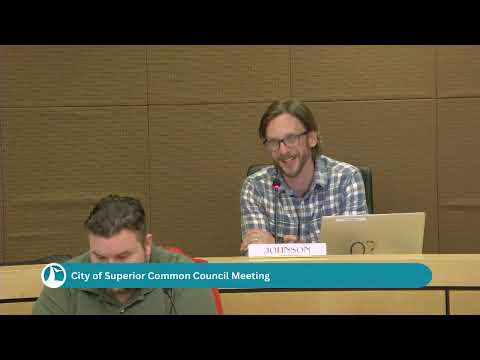
Council debate focused on eligibility, guardrails and administrative process. Councilors asked whether awards would be limited to organizations operating inside Superior (the mayor said he would not recommend awards outside the city), whether for-profit food businesses could apply (the mayor said the program was primarily for organizations but left limited room for accountable business proposals), and whether the program would include caps per applicant (the mayor favored flexibility to maximize impact). Councilor Johnson successfully moved an amendment requiring the council to review the program and any applications at its next regular meeting. Councilor Moffett pressed for immediate relief; the council adjusted the emergency discretionary authorization from $25,000 to $24,999 by unanimous consent.
Mayor Payne said the application would be released immediately if the resolution passed and that the Anti Poverty Coalition would be convened to advise on allocations. He also said funding would come from the economic development fund, which retains unspent incentive funds from previous years. The resolution passed by voice vote.
The council did not set a rigid per-applicant cap in the resolution; councilors and the mayor said the administration and the council would apply fiscal controls, require receipts and reimbursements, and evaluate applicantscapacity to spend and distribute funds. The mayor said he would return to the council with recommendations and documentation at the next regular meeting.