Get Full Government Meeting Transcripts, Videos, & Alerts Forever!
Get email alerts on the Redevelopment Tif topic
No spam. Unsubscribe anytime.
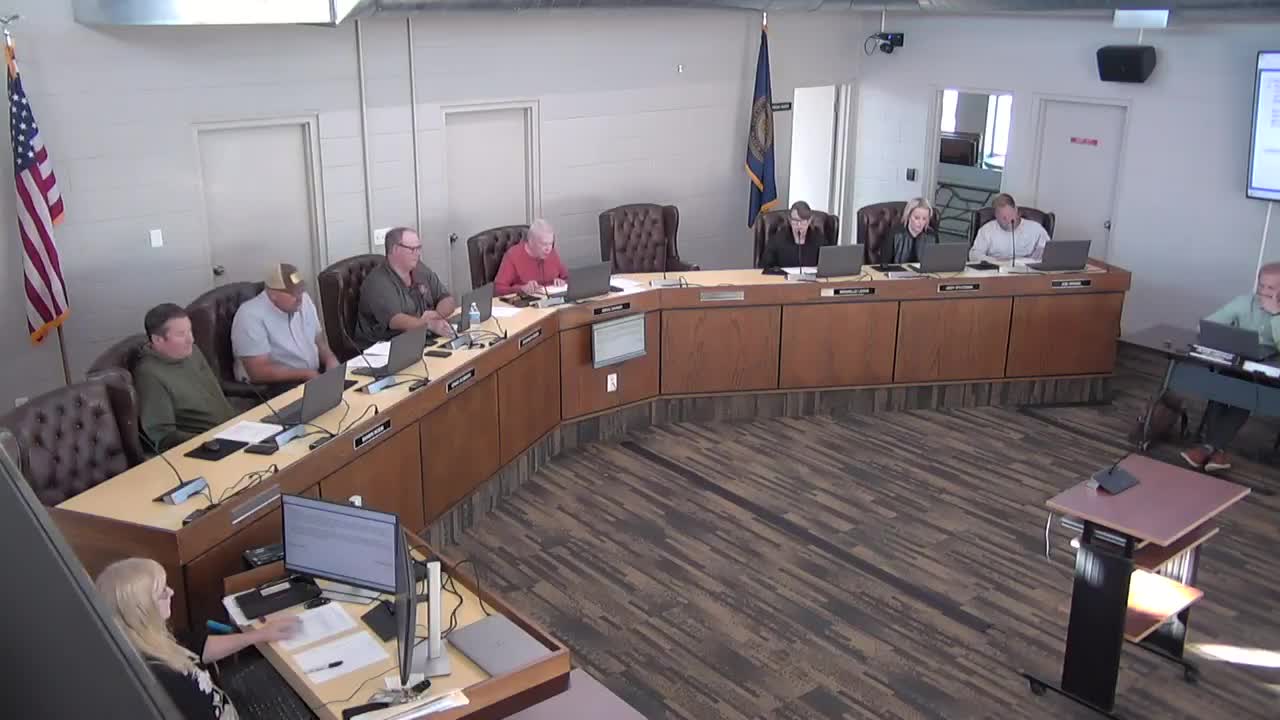
Planning commission splits on middle school redevelopment; forwards TIF and rezoning to council without recommendation
Summary
The Hastings Planning Commission on Oct. 13 heard competing views over a proposed redevelopment of the long‑vacant former middle school in Redevelopment Area No. 1, including a request for $1.8 million in tax‑increment financing (TIF) and a rezoning to allow first‑floor residential use.
The Hastings Planning Commission on Oct. 13 heard competing views over a proposed redevelopment of the long‑vacant former middle school in Redevelopment Area No. 1, including a request for $1.8 million in tax‑increment financing (TIF) and a rezoning to allow first‑floor residential use. City planner Amber Batson told the commission the project’s “total expenses of the project is $15,000,000, with a lot of funding through loans and grants, and the applicant is requesting 1,800,000.0 in TIF funding.”
Batson said the property has been vacant since 2016 and lies inside a redevelopment area originally declared blighted in 1987 and redesignated in 2017. She said the current assessed value is about $215,000 and the applicant’s pro forma estimates a post‑project value of about $9.5 million; without TIF, the staff report concluded, “the project is not economically feasible.” Staff recommended the commission recommend approval to the City Council for the plan modification and for rezoning the site from C2 Central Business District to RP3 Multiple Family Residential Plan District.
Randy Chick, representing the Community Redevelopment Authority and the developer‑team interests, outlined a multi‑phase schedule and the mix of public and private funds. He said the city secured an EPA cleanup grant for asbestos abatement and “received a $475,000 grant from the EPA.” He described a timeline in which asbestos abatement bids would be solicited in the coming weeks and architectural and engineering work would follow, with construction extending through 2027.
A member of the public, Tom Genung, spoke in favor of preserving the building and thanked the commission for the hearing. Several commissioners, led by Commissioner Craig, pressed detailed financial questions. Craig summarized his objection: the commission record shows a $15 million project with an estimated assessed value substantially lower than that figure, and he warned of the risk to taxpayers from a heavy concentration of public funding and the possibility of low occupancy. He said the developer’s financing and past projects raise questions and that he could not support recommending the project to council as proposed.
Commission debate continued at length on whether the public investment would yield long‑term tax revenue and on how various grants and loans are structured. Staff and the mayor described multiple funding sources on the pro forma, including bank financing, owner equity, a state rural workforce housing loan, a forgivable Nebraska Affordable Housing Trust Fund loan (conditions apply), a HEDC revolving loan, and the EPA cleanup grant. Staff also explained that the TIF capture would be used to service the developer’s TIF loan for up to 15 years and that the captured increment would flow back to taxing entities after the TIF period ends.
The commission voted separately on the plan modification and the rezoning; both motions received four votes in favor, two against and one abstention. The chair noted that a five‑vote majority is required to forward a recommendation, and the city attorney advised that the motions therefore failed to carry a recommendation. Both items will proceed to the City Council without a favorable recommendation from the planning commission.
Practical next steps identified during discussion included transmitting the commission’s comments and a letter summarizing concerns (including financial feasibility and concentration of public funds) to the City Council and staff continuing project due diligence. The commission’s record included detailed requests for additional financial detail and for the city attorney to advise on procedural next steps.