Get Full Government Meeting Transcripts, Videos, & Alerts Forever!
Get email alerts on the Spotlight On Students topic
No spam. Unsubscribe anytime.
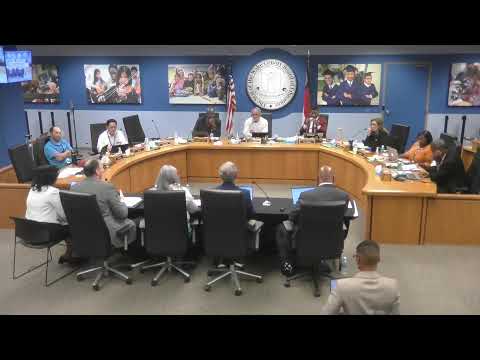
Wake County staff propose regional 'Spotlight on Students' rollout; board leans toward option that reduces board travel
Summary
Dr. Norfleet, presenting on behalf of district staff, asked the board to "seek approval for the proposed county quadrants and event dates recommended for the updated format of our district's spotlight on students," saying the redesign aims to "ensure that each student's individual strengths and resilience are recognized."
Dr. Norfleet, presenting on behalf of district staff, asked the board to "seek approval for the proposed county quadrants and event dates recommended for the updated format of our district's spotlight on students," saying the redesign aims to "ensure that each student's individual strengths and resilience are recognized." The presentation laid out three draft approaches to dividing schools into quadrants and proposed beginning events in February and continuing through May with two dates per month.
The three options differed primarily in how they balanced family travel, board member schedules and administrative regions. Option 1 grouped schools by transportation corridors and family travel patterns (about 45–56 schools per quadrant); Option 2 adjusted boundaries to limit the number of sessions any one board member would feel required to attend (41–60 schools per quadrant); and Option 3 followed area-superintendent regions and was described by staff as "more family friendly" in several places.
Board members raised questions about logistics and equity. Superintendent Taylor stressed the intent was "to re-envision these events to be more family friendly and more school friendly," and affirmed that moving events into communities would remove the need to convene as a formal board meeting (and therefore avoid quorum rules). Taylor also told the board that the district would supply logistical support so hosting schools are not overburdened.
Board members probed resource and security planning. Staff listed likely new costs: additional interpreting equipment and staff, extra-duty stipend pay for school-based staff, custodial overtime for after-hours events, AV needs, and possible table rentals for community fairs. The district committed to produce cost estimates once locations are confirmed. Vice Chair Swanson and others requested that district-provided departments and internal programs be prominently represented at the community fairs to ensure families learn about available district services; others urged the district to limit external guests when necessary so the events remain student centered.
Multiple board members voiced informal support for Option 2 because it reduces the number of sessions individual board members would need to attend while retaining regional community groupings; several other members said they were comfortable with more than one option. Chair Haggerty asked board members to send date preferences (Mondays or Wednesdays) to staff by email so the team can finalize preferred dates. No formal vote or approval occurred during the work session; staff said implementation would proceed once the board approves assigned quadrants and dates.
Planning teams and next steps: staff proposed four regional planning teams composed of school staff, regional staff and central services to plan site-level run-of-show and resource needs. The district will confirm host sites and return cost estimates for stipends, custodial and AV. The board asked staff to ensure equitable partner representation at fairs and to provide plans for security and shared equipment (tables, chairs, surplus district inventory) where schools lack resources.
The district also committed to a follow-up step: collect board members' calendar preferences for event days and provide a final recommendation and budget estimate to the board prior to seeking formal approval.
Ending: Staff thanked the board for feedback; Chair Haggerty closed the Spotlight on Students discussion by asking board members to communicate preferences and by directing staff to continue site outreach and cost modeling before returning with a formal approval request.