Lifetime Citizen Portal Access — AI Briefings, Alerts & Unlimited Follows
Presenter links search for extraterrestrial life with Earth-observing satellites’ role in climate science
Loading...
Summary
An unnamed presenter said that while scientists do not yet know whether life exists beyond Earth, robotic missions to Mars and planned missions to Jupiter’s icy moons are probing that question, and that satellite data are already essential for tracking climate change.
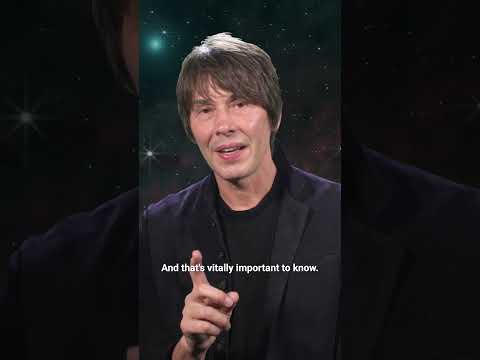
An unnamed speaker, a presenter, framed the scientific question of whether humanity is "alone in the universe" and said the answer is unknown but that researchers are actively trying to find it.
The presenter asked, "Are we alone in the universe? I think we all wonder about that," and posed the related technical question of "How far would we need to go beyond Earth to detect life?" He said, "Now at the moment, we do not know the answer to that question, but we're trying to answer it."
The presenter then described current and near-future robotic missions. "We have robot explorers of course on the surface of Mars, in orbit around Mars. We have 2 spacecraft now in flight to the icy moons of Jupiter which we also think may be potential habitats for life," he said. The presenter placed those missions in the context of astrobiology: discovering life elsewhere would expand understanding of biology and biochemistry.
Shifting to Earth applications, the presenter argued space science already helps address terrestrial problems. He cited satellite-based atmospheric and surface observations and ocean temperature monitoring as "a vital component in our understanding of the way that the climate is changing." "So that would be just 1 example. So I think there there are numerous examples of how space already impacts Earth for the better," he said, and closed by adding, "And those examples will grow and grow rapidly in the future."
The remarks were a short, explanatory presentation rather than a policy proposal; no motions, votes, or formal requests to staff were recorded.