
KDOC Pauses Proposed Community Corrections Funding Formula After County Concerns
Get AI-powered insights, summaries, and transcripts
Sign Up Free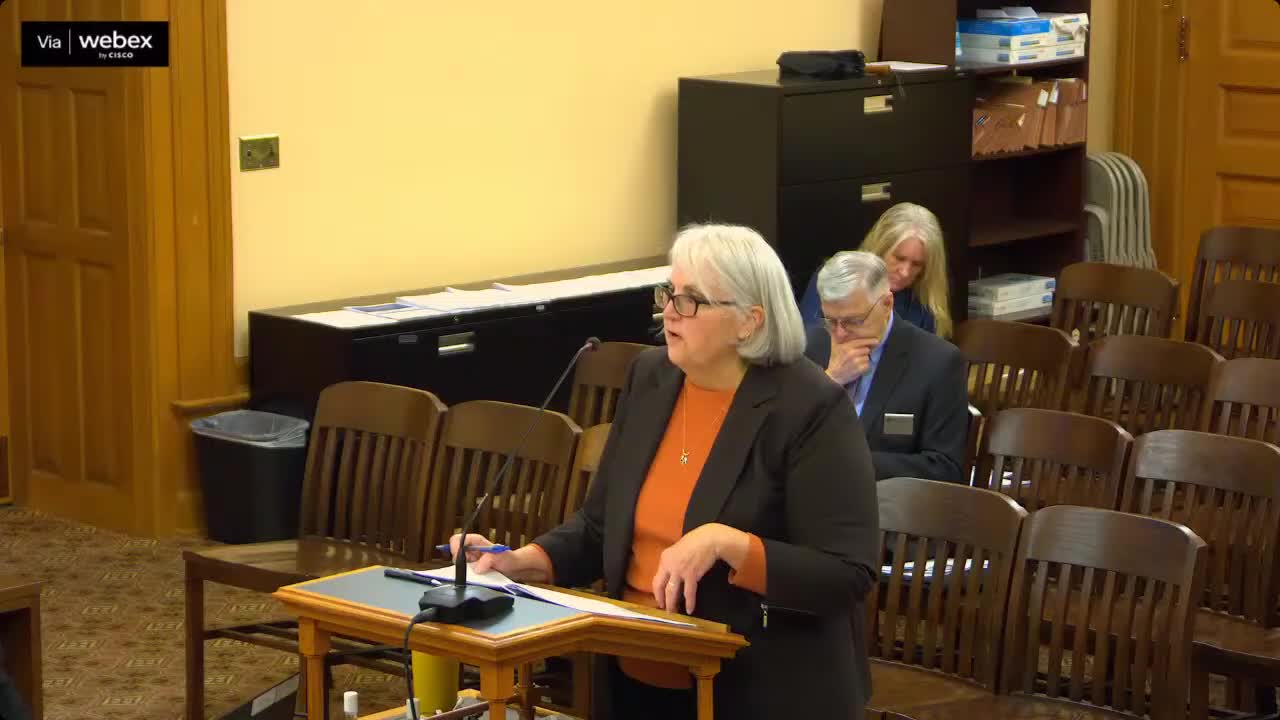
Summary
The Kansas Department of Corrections announced it will pause a proposed funding formula that would reallocate existing community corrections grant dollars after county officials and legislators raised concerns about data validation and potential public-safety impacts.
The Kansas Department of Corrections announced it will pause implementation of a proposed funding formula that would redistribute existing state grant dollars for community corrections across the state's 31 judicial districts.
KDOC Secretary Jeff Samood told the Select Committee for Government Oversight the proposal grew from a multi-month effort to develop a formula that officials described as "data driven and data outcomes" and intended to be "transparent, equitable, and compliant with the statute." The department proposed weighting 60% of funding to supervised caseloads by risk level and the remaining 40% across poverty, court filings, a crime index, population, square miles, success rate and staff turnover.
The proposed distribution would have shifted dollars across districts without adding new state funding. "We agreed to do that with a goal of creating a formula for funding that was transparent, equitable, and compliant with the statute," Samood told the committee. Several counties said the proposal, as drafted, would produce sharp cuts in certain larger jurisdictions that house programs and services used by nearby counties.
Sedgwick County Director of Corrections Steven Stonehouse said his agency supports a transparent funding formula but questioned whether the proposed variables would "improve, enhance, or support public safety, or [be] just an equitable way to split up the funding pie." Stonehouse and other witnesses urged KDOC to validate whether the formula's variables relate directly to outcomes the state wants — in particular, public safety and measurable reductions in revocations to prison.
In response, KDOC said it will identify an independent party with national expertise to review the methodology and advise on potential statutory modernization. The department also proposed a phased, three-year implementation if revisions move forward. "We thought it best to reach out to an independent third party ... to lead that effort," Samood said. "I expect to take a few months; maybe it's the summer, maybe it's next fall where we have some recommendations."
The committee voted by voice to approve a set of nonbinding requests asking KDOC to pause implementation, commission an independent review, report major data and funding sources back to the committee, and clarify statutory and rule language describing eligible expenditures and local matches.
What happens next: KDOC will start outreach to potential reviewers and work with community corrections directors and the Community Corrections Advisory Committee. The funding change is paused pending that review and follow-up reporting to the legislature.