Get Full Government Meeting Transcripts, Videos, & Alerts Forever!
Get email alerts on the Cannabis Policy topic
No spam. Unsubscribe anytime.
Tipp City prohibits commercial adult‑use cannabis operations
Summary
Tipp City Council voted to prohibit commercial cultivation, processing, and dispensing of adult‑use cannabis within city limits after staff recommended prohibition following two moratoria and review of fiscal and land‑use impacts.
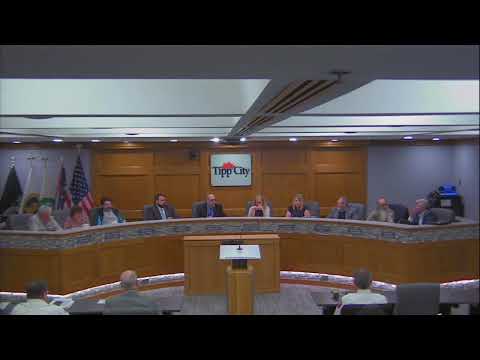
Tipp City Council on Nov. 3, 2025, approved an ordinance to prohibit commercial cultivation, processing and dispensing of adult‑use cannabis within the city.
City staff told council that two prior moratoria on recreational adult‑use marijuana allowed time for staff review of benefits and impacts. Based on that review, staff recommended the city prohibit adult‑use cannabis cultivators, processors and dispensaries within Tipp City. The ordinance was introduced by Mayor Rogers.
Several council members cited the current state of taxes and fiscal arrangements as part of their rationale. One council member noted that, under the current regulatory and tax framework discussed at the meeting, the state was collecting sales tax revenue from dispensaries and there was limited or no local fiscal benefit, which reduced the economic incentive to allow such operations. Other members framed the decision as part of community planning and the city—s desired types of businesses.
No members of the public spoke during the public hearing on this item. On roll call, the ordinance passed unanimously. Vote recorded: Mayor Rogers — yes; Mr. Insulin — yes; Mr. Kessler — yes; Mr. Liddy — yes; Mrs. Pittenger — yes; Mr. Slagle — yes; President Huffman — yes. The ordinance was filed as Ordinance 24-25.
Council indicated the prohibition reflected current policy choices and also acknowledged future changes could prompt reconsideration.