Get Full Government Meeting Transcripts, Videos, & Alerts Forever!
Get email alerts on the Palliative Care topic
No spam. Unsubscribe anytime.
Mercy Medical Center’s 8‑bed palliative care unit wins community support as leaders seek funds to expand
Summary
Mercy Medical Center leaders and community fundraisers on Wednesday described the operations, early outcomes and financing behind a newly established eight‑bed palliative care unit and said they are seeking additional donations to double capacity.
Mercy Medical Center leaders and community fundraisers on Wednesday described the operations, early outcomes and financing behind a newly established eight‑bed palliative care unit and said they are seeking additional donations to double capacity.
Dr. Phil Glenn, medical oncologist and co‑director of the palliative care unit at Mercy Medical Center, said the unit treats patients with serious illnesses to manage symptoms and improve quality of life, not solely those at the end of life. "Palliative care is not just for people at end of life," Glenn said. "It's an interdisciplinary, medical subspecialty" that integrates nursing, social work and discharge planning.
The project has attracted local support: former Springfield City councilor Tony Robosa said the effort has raised $1.5 million so far, including $250,000 provided by the City of Springfield from American Rescue Plan Act funds. "I dare challenge anyone to say that the use of ARPA funds in this instance...wasn't an entirely appropriate use of those dollars," Robosa said, describing the unit as a "living memorial" that benefits many in the region.
Why it matters: Glenn and other speakers argued that palliative care can lower overall costs and improve outcomes by reducing avoidable readmissions and emergency visits. Glenn cited published estimates and local figures, saying that hospitalized cancer patients who receive palliative consultations can save roughly $4,500 per admission and noncancer patients about $3,200; he also said the Mercy unit has served about 100 patients and shown reduced readmissions and per‑day cost savings that leaders plan to document for future fundraising appeals.
Capacity and staffing: Dan Keenan, vice president for advocacy and government relations for Mercy Medical Center, stated the unit currently has eight beds and that leaders expect to expand to about 12 beds within one to two years if fundraising and staffing capacity allow. Speakers emphasized there was no large incremental startup staffing cost because nurses for the floor already work on the unit’s department; however, additional resources for discharge planning and stronger relationships with extended‑care facilities were cited as priorities to avoid rapid returns to hospital settings.
Training and patient experience: Kathy Sullivan, nurse manager for the medical‑surgical units that include the palliative section, described expanded end‑of‑life and palliative training offerings for nursing staff. Speakers shared family‑centered practices used on the unit — such as creating hand molds, drafting letters for patients who cannot write and offering private family consultation spaces — as examples of how the unit supports patients and relatives.
Referrals and reach: Glenn said current referrals are primarily in‑hospital consults from hospitalist teams but that word‑of‑mouth and direct admissions from outside oncology practices have already brought patients from the broader region. Speakers noted the unit has admitted patients not served by the sponsoring oncology practice and expects community awareness to continue growing.
Fundraising and governance: Robosa and other fundraisers credited Mercy’s development team, corporate and foundation gifts, and individual donors for the money raised to date. Mercy Medical Center’s foundation is the primary vehicle for donations; speakers said naming opportunities and other gift options remain available. Robosa said the ARPA contribution was $250,000 and that the remainder of the $1.5 million came from private and institutional donations.
Facilities and telehealth: Leaders described upgrades to the physical space — pull‑out family sleeping chairs, family waiting areas, private consult rooms and dedicated space for clinicians — and said the unit plans to use video technology to include distant family members in bedside conversations and discharge planning.
Next steps: Meeting participants agreed to schedule a tour of the unit after the new year and to continue collecting local outcome and cost data to support future fundraising and partnerships with extended‑care facilities.
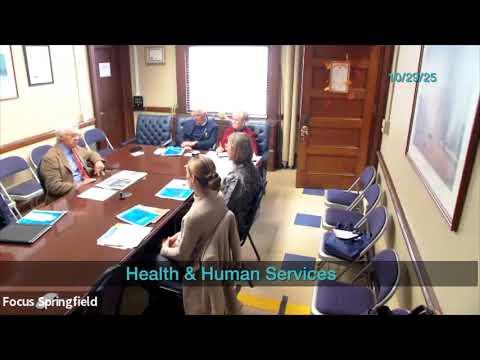
The meeting included hospital clinicians, Mercy Medical Center development staff and community leaders; no formal votes or policy actions were taken during this forum.