Get Full Government Meeting Transcripts, Videos, & Alerts Forever!
Get email alerts on the Capital Programs topic
No spam. Unsubscribe anytime.
Annual Moving Atlanta Forward audit: $97M spent of $750M; dashboard/financial discrepancies and documentation gaps prompt follow-up
Summary
The city auditor's third annual review of the Moving Atlanta Forward infrastructure program reported nearly $97 million spent to date (about 15% of the total program). The audit found many projects remain in planning/scoping, discrepancies between the public dashboard and Oracle financials, and partial implementation of prior recommendations. The
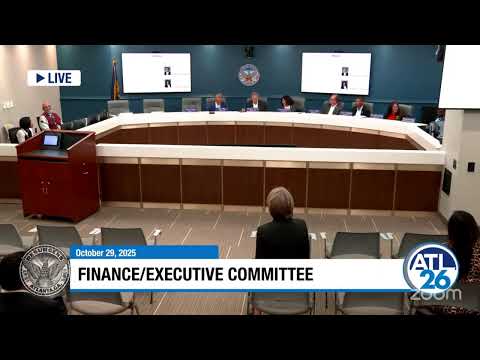
The City Auditor presented the third annual Moving Atlanta Forward (MAF) audit on Oct. 29 and the Finance and Executive Committee discussed the report, briefly held the item for follow-up questions and then accepted and filed the audit after responses from the chief operating officer’s office.
Key findings in the audit presented by Dwayne Braitha included: as of the end of fiscal year 2025, the program had spent nearly $97 million of the $750 million legislated budget (about 15%); 168 of 202 projects listed in the strategic delivery plan had started (83%), with 64 of those in planning/scoping; Parks and Recreation and Transportation were the biggest spenders to date; and spending and encumbrance varied by district. The audit also noted a contingency fund and cautioned that early cost overruns could force scaling back projects in slower-spending districts.
The audit team tested required project-management documentation and found improved compliance in some planning-and-scoping documents but incomplete project-management plans and inconsistent templates; construction-phase documentation such as pay applications and daily reports were present but only a fraction met all completeness criteria. The public dashboard now includes project-level spending data, but the auditors found potential discrepancies — for example, Oracle general-ledger paid funds were about $6.7 million higher than the dashboard in the sample reviewed. The audit recommended improved reconciliation between systems, better explanation of at-risk projects on the dashboard, standardized scoping processes, and other controls.
The auditor reported the MAF program had implemented four of 10 prior recommendations and made three new recommendations to the COO (who agreed). Deputy COO Frederick Gardner responded to committee members’ questions about project delivery and procurement approaches; he said his office is coordinating with departments and procurement to accelerate contracting and delivery and noted steps to coordinate projects across departments to avoid rework.
Action and next steps: The committee initially held the item for further review but later voted to accept and file the audit. Members asked for continued progress on implementing prior and new recommendations, improved dashboard/Oracle reconciliation and greater attention to funding and contingency management so early cost overruns do not require large-scale scope reductions.
Why it matters: The MAF ballot program commits large voter-approved capital investments; transparency about spending, schedule, and scope is necessary to sustain public trust and to make decisions about contingency and priority if costs rise.