Get Full Government Meeting Transcripts, Videos, & Alerts Forever!
Get email alerts on the Capital Maintenance topic
No spam. Unsubscribe anytime.
Topeka Public Schools approves $5 million major maintenance plan for roofs, HVAC, intercoms
Summary
Board approved the district's major maintenance proposal, requesting $5 million to address deferred maintenance across 18 buildings, including intercom upgrades, a roof replacement at State Street, HVAC rooftop unit (RTU) replacements and a server-room fire suppression system at Hope Street.
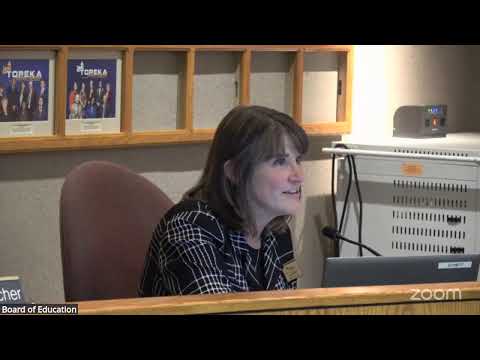
The Topeka Public Schools Board of Education unanimously approved the district's major maintenance proposal after a presentation from facilities staff outlining 37 projects across 18 buildings and a request for $5,000,000 to address deferred maintenance.
Nate Schafer, the district's facilities presenter, told the board the request covers a range of priorities including intercom upgrades at the district's high schools and secondary buildings, roofing work at State Street (about $250,000), flooring and classroom improvements at Highland Park Central Elementary and a server-room fire suppression system at Hope Street to protect district network equipment.
"We have 37 different separate projects that will affect 18 different buildings," Schafer said, and described the distribution of funds across mechanical/HVAC work, roofing, and other systems. He noted the district was asking for $5 million but listed a line-item total of $5.9 million and said quick bidding and competitive numbers could allow more projects to be included.
Board members asked technical questions. Dr. Beason asked what "RTU" meant; Schafer replied it stood for rooftop units, an HVAC mechanical component that serves specific spaces. Board member Boley pressed about asphalt versus concrete for parking-lot work; staff explained concrete lasts longer but is substantially more expensive and is used only in heavy-traffic locations.
Schafer also described a National Fitness Court grant-funded initiative that requires an appropriate concrete pad; he asked the board to consider community business partners to fund the rubber surfacing after the district pours the slab.
The board approved the proposal by motion and second, and the vote "carried unanimously." The approved plan will move forward to contracting and bidding; staff said pre-bid interest from 14 companies suggested competitive pricing may be available.
What happens next: Facilities will proceed to bid the approved projects, prioritize phasing for HVAC and other systems, and return to the board with contracting documents as required.