Get Full Government Meeting Transcripts, Videos, & Alerts Forever!
Get email alerts on the Retiree Health Insurance topic
No spam. Unsubscribe anytime.
Olathe retirees and public‑safety employees urge council to revisit large 2026 health‑insurance premium increases
Summary
A dozen current and retired Olathe public‑safety workers told the City Council on Nov. 4 that planned 2026 increases in retiree health‑insurance premiums would impose sudden, unaffordable costs, and asked the council to reconsider or phase the changes.
A dozen current and retired Olathe public‑safety employees told the City Council on Nov. 4 that proposed retiree health‑insurance changes for 2026 would impose sudden, unaffordable costs on people living on fixed pensions.
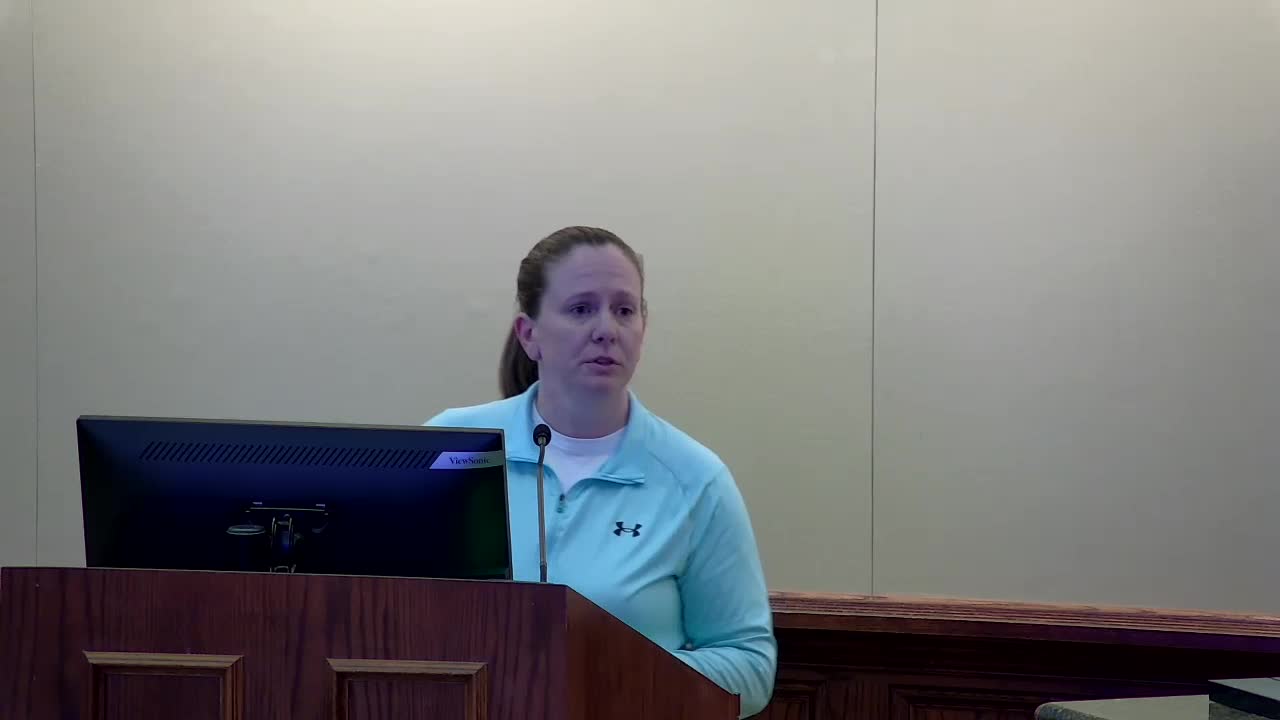
Speakers — including Carrie Buser, president of the Olathe Fraternal Order of Police and a current Olathe detective; retired employees Damon and Gina Bell; retired fire and police personnel such as Gary Nickerson and Steve Minki; union representatives including Tyler Raleigh of Olathe Professional Firefighters Local 2542; and retired and current officers including Eric Hardman — described individual premium increases ranging from several hundred dollars a month to many thousands of dollars a year. "I'm going to go from roughly having to budget about $10,000 for my health care. Now, it's going to cost me $74,000," retired officer Eric Hardman said, reflecting his personal estimate of the proposed increase.
Speakers described a history of city guidance and promises about retiree pricing. Carrie Buser said the city announced in 1989 that employees would continue to pay employee (not family) rates after retirement; later changes instituted tiers of eligibility. Several speakers said they planned for retirement under those expectations and said the 2026 numbers were far larger than previously signaled. "We've all known health care has been rising. There should be a long‑term plan," retired firefighter Gary Nickerson said.
Union and retired leaders pressed three requests: that the council honor earlier pricing for employees hired before Jan. 1, 2004 (as referenced by several speakers), that the city phase or soften increases to allow planning, and that staff return with more analysis and alternatives. "We ask you to remember the years of service these members provided and to do everything possible to support them in their retirement," said Tyler Raleigh, president of Local 2542.
Council did not take a formal vote on retiree health benefits during the meeting. Mayor John Bacon thanked speakers and said the council "hear[s] you, and we'll take it under advisement." Several council members later acknowledged receipt of emails from retirees and said they would review the matter as part of city budgeting and staffing work.
Background and local context: speakers described a tiered system implemented in 2005 and earlier guidance intended to protect vulnerable employees. Several speakers referenced KPERS (the Kansas Public Employees Retirement System) and said a retiree's income is fixed once pension and final average salary are set. Retirees and union leaders said some employees have delayed planned retirements because of the change, while others who already retired had limited ability to respond.
What the city said: staff representatives did not present a detailed financial model during the public comment period. Multiple speakers urged the council to revisit the city's 2026 budget assumptions and to present phased or alternative cost‑sharing options for council consideration.
Next steps: the council did not adopt any new policy at the meeting. Councilmembers encouraged further discussion and staff follow‑up; several said they would review communications and previous task‑force work cited by speakers.