Get Full Government Meeting Transcripts, Videos, & Alerts Forever!
Get email alerts on the Animal Control topic
No spam. Unsubscribe anytime.
White House council discusses restarting animal control program amid cost and logistics concerns
Summary
Council members and staff reviewed the history, costs and operational challenges of an animal control program and agreed to continue studying options; no formal action to reinstate a program was taken.
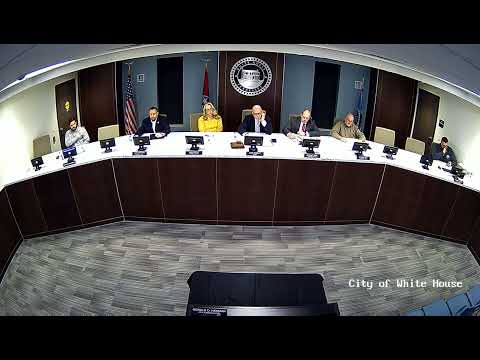
The White House City Council and staff spent the meeting’s new-business segment reviewing whether the city should reinstate a dedicated animal control program, citing past operations, equipment and shelter needs and relatively low official call volumes.
Mister Hartman, who described past roles managing animal control in other jurisdictions, recounted White House’s earlier program and its end: “We had a full time animal patrol officer … and then we laid the position off,” he said. He urged caution about restarting a program without planning for equipment, sheltering and staffing needs, saying officials should consider “the good, the bad and the ugly.”
The discussion focused on three practical areas: equipment and facility costs, staffing and coverage, and service volume. Speakers gave sample cost figures: Hartman said a vehicle and properly caged unit would run “about 70,000 plus,” and that capture equipment could cost $2,000–$3,000. He also said an indoor kennel or small shelter could cost up to about $100,000 and cited a prior small shelter that cost roughly $50,000. Another speaker warned vehicle and liability costs could be higher depending on options.
City staff provided recent calls-for-service figures to show demand. As reported at the meeting, 2022 had 9,879 total calls for service with animal-patrol calls about 1.3% of that total; 2023 had 12,783 calls with 169 animal-patrol calls (about 1.3%); and 2024 animal-control calls were reported as about 1.7% of overall calls, with running-at-large incidents a smaller share. Staff said the majority of animal calls were for animals running at large, along with dog bites, welfare checks, loose livestock and occasional wildlife responses.
Council members and staff discussed staffing models and coverage hours. Hartman said previous staffing included a full-time officer receiving benefits and recommended at least two part-time or one full-time plus backup to provide reliable response and on-call coverage. Participants raised concerns about weekend and after-hours sheltering, who would feed and care for impounded animals, and liability for long-term holding of animals.
Speakers also discussed regulatory options and intergovernmental arrangements. Ideas included annual dog licensing, mandatory microchipping tied to a city-owned reader, breed- or risk-based registration or insurance, and possible contracts with neighboring county animal-control agencies. Staff noted there is no state-set maximum on license fees, as discussed at the meeting. Several speakers reported that county agencies sometimes decline or delay responses for calls inside the city, prompting interest in clearer agreements or contracts.
Participants noted the city’s existing animal-cruelty ordinance and said social media can spur rapid public concern that complicates investigations. Preventive measures such as subsidized low-cost obedience classes were raised as a way to reduce nuisance barking and behavior-related incidents.
No formal motion was made to reinstate a city-run animal control program during the meeting. Instead, officials agreed to continue the dialogue, gather additional data on calls for service and costs, and explore contractual options with counties and private vendors before any decision.
The meeting record shows no voted action to start a program; the council adopted the meeting agenda at the start of the session and later adjourned.