Get Full Government Meeting Transcripts, Videos, & Alerts Forever!
Get email alerts on the School Governance topic
No spam. Unsubscribe anytime.
South Orangetown board approves superintendent—s consent agenda; clerk pro tem motion introduced
Summary
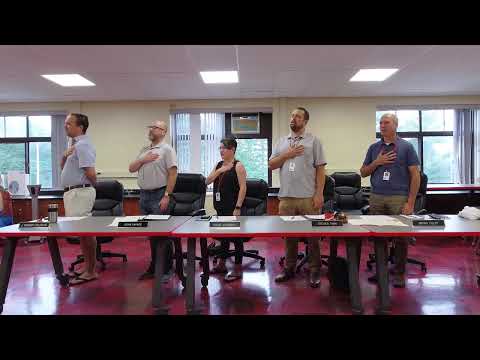
The South Orangetown Central School District Board of Education convened at 8:59 a.m. and approved the superintendent—s office consent agenda during a short session.
The South Orangetown Central School District Board of Education convened at 8:59 a.m. and approved the superintendent—s office consent agenda during a short session.
Board member Jay Savage moved to appoint himself clerk pro tem, saying, "Motion to appoint myself as clerk pro tem." The transcript does not record a second or a vote for that motion, and no further action on the appointment is recorded.
A separate motion to approve the superintendent—s office consent agenda was made and was seconded by Board member Rob Coleman. When the chair called for the vote the transcript records, "All in favor? Aye. All opposed? Aye." Immediately afterward the record states, "Motion passes." The transcript does not include a roll-call vote or numerical tally for the consent-agenda approval.
A motion to adjourn the meeting at 9:00 a.m. was then offered. Before adjournment a speaker said they wished to make a statement and put on their glasses; the transcript does not capture the substance of that statement.
The meeting record provided is brief and largely procedural: roll call of four board members; two formal motions (appointment of a clerk pro tem and approval of the superintendent—s consent agenda); and a motion to adjourn. Where the transcript omits vote tallies or final disposition of the clerk pro tem motion, this article notes those omissions rather than inferring outcomes.