Get Full Government Meeting Transcripts, Videos, & Alerts Forever!
Get email alerts on the Constitution Day topic
No spam. Unsubscribe anytime.
Utah Supreme Court justices mark Constitution Day with overview of federal and state constitutions
Summary
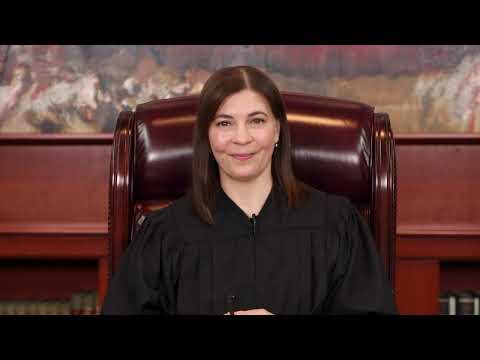
Three justices of the Utah Supreme Court spoke Sept. 17, 2025, to mark Constitution Day, outlining the structure and purpose of the U.S. Constitution and how the Utah Constitution differs in some respects.
Three justices of the Utah Supreme Court spoke Sept. 17, 2025, to mark Constitution Day, outlining the structure and purpose of the U.S. Constitution and how the Utah Constitution differs in some respects.
Justice Paige Peterson of the Utah Supreme Court said the three justices "serve together on the Utah Supreme Court, the highest court in our state," and opened the remarks with a brief civic overview. Justice Diana Hagen explained that Sept. 17 commemorates the 1787 signing of the U.S. Constitution and noted it was written after the Revolutionary War by leaders of the original 13 states who met in Philadelphia to create a governing framework.
The justices summarized the Constitution's three articles establishing the legislative, executive and judicial branches. Justice Jill Pullman described Article I as creating Congress's two chambers and setting rules for terms and powers, and gave examples of constitutional limits on congressional authority. Peterson summarized Article II, describing the presidency and the president's duties, including executing laws and serving as commander in chief. Hagen described Article III and the federal judiciary, noting the Supreme Court's jurisdiction and that some matters are decided in state courts.
"These three separate branches create a really important balance," Justice Pullman said, explaining checks and balances that limit concentration of power among branches.
The justices also discussed amendments. Peterson said the framers anticipated change and explained the amendment process; she noted "so far, 27 amendments have been added." Hagen and Pullman cited specific rights protected by amendments, including the First Amendment's religion and speech protections, the right to a fair trial and the amendment that granted women the right to vote.
The justices emphasized that state constitutions can protect additional rights. Pullman noted that when Utah adopted its state constitution in 1896 the state granted women the right to vote, 24 years before the U.S. amendment. Peterson linked aspects of Utah's constitutional language to the state's territorial history, saying the Utah Constitution includes protections against unduly harsh treatment of arrested or imprisoned people.
Hagen noted a 1984 amendment to the Utah Constitution that explicitly recognizes the state court's power to review laws and declare them unconstitutional, and referenced Marbury v. Madison as the U.S. Supreme Court decision that established judicial review.
The remarks closed with a reminder that both the federal and state constitutions define government powers and protect citizens' rights, and that Constitution Day is intended to recall those protections.