Get AI Briefings, Transcripts & Alerts on Local & National Government Meetings — Forever.
Civil jury awards $6.3 million to Mast family in wrongful-death suit
Loading...
Summary
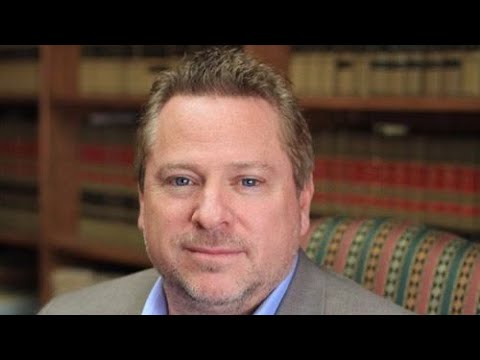
A civil jury returned a judgment of approximately $6.3 million in favor of the family of John Mast, attorney Kevin Hickey said on the Dad Talk podcast.
A civil jury returned a judgment of approximately $6,300,000 in favor of the family of John Mast, attorney Kevin Hickey said on the Dad Talk podcast. The verdict followed a civil trial in which plaintiffs Robert and Sarah Mast and Steven Mast alleged wrongful death and emotional distress claims against Rebecca ("Becky") Brashear and James ("Jim") Brashear.
Hickey, who represented the Mast family with co-counsel Joe Miller, said the jury—s answers to interrogatories established defendant responsibility and that the award reflected both compensatory damages and a desire by jurors to send a message about the conduct they found wrongful. "That—s why you saw the amounts," Hickey said, adding that the jury—s verdict vindicated the family—s account of events.
Why it matters: The plaintiffs framed the civil action as a way to document and publicly vindicate John Mast—s reputation rather than as a money-driven pursuit, Hickey and host Eric Carroll said. Hickey also described the case as potentially precedent-setting in the context of parental alienation and false abuse allegations, though he cautioned that civil and criminal standards of proof differ.
Key facts and case posture: Plaintiffs brought claims for wrongful death, intentional infliction of emotional distress and negligent infliction of emotional distress. Hickey said many of the exhibits the defense sought to introduce were excluded by Judge Monson after a pretrial review; the plaintiffs relied principally on witness testimony and contemporaneous visitation notes and investigative records introduced at trial. Hickey described a large body of documentary material assembled from criminal-trial transcripts, divorce depositions and social-service records.
Courtroom notes: Counsel said the court permitted cameras, which allowed public access to trial footage, and that a number of jurors contacted members of the plaintiffs— team after the verdict. Hickey said the judge conducted an exhibit review on the morning of trial, ruling many of the defense—s exhibits inadmissible for hearsay or other reasons.
On appeal and enforcement: Hickey said defendants retain the right to appeal; successful appeals are difficult and may take more than a year. If defendants do not pay a judgment voluntarily, Hickey outlined standard enforcement tools available to judgment creditors, including wage garnishment and attachment of property, noting that collecting a large civil judgment may require additional legal steps.
Allocation and amounts: On the podcast the hosts discussed approximations of the award allocation; Hickey and others said the jury allocated most of the total to Rebecca Brashear with a smaller portion against James Brashear (the hosts discussed figures around $4.5 million and $1.7 million on-air). Hickey—s on-air explanation emphasized that the total sum should not be read as the family—s motive: "This was never about money for the Mast family," he said.
Quotes: "That verdict was never about money for the Mast family," Hickey said on the broadcast. "They wanted John to be vindicated, and this is the way that we had to get it back in court and show what really happened." Host Eric Carroll added that the family sought vindication and closure rather than a financial windfall.
What remains unresolved: The podcast discussed whether prosecutors might reexamine criminal charges against Rebecca; Hickey said prosecutors previously considered and declined to charge her and that the decision to refile remains solely within prosecutorial discretion. The hosts and counsel also discussed continuing concerns about the children—s welfare, noting that the children remained in Rebecca Brashear—s care and that removing children involves complex legal and factual considerations.
Ending: The hosts urged listeners who face similar allegations to seek legal consultation and provided contact information for Kevin Hickey—s firm. Hickey said he would waive the initial consult fee for callers who referenced the Dad Talk episode.