Get Full Government Meeting Transcripts, Videos, & Alerts Forever!
Get email alerts on the Officer Wellness topic
No spam. Unsubscribe anytime.
Workshop spotlights officer mental health; trainers cite rising suicides and recommend departmental wellness
Summary
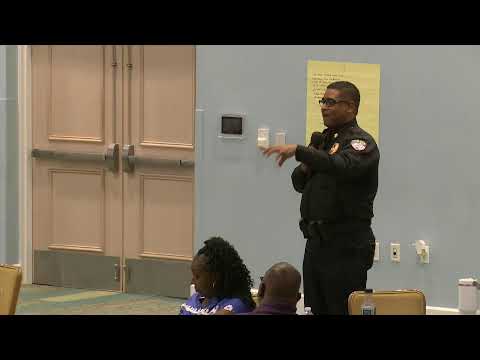
Trainer Dwayne Bryant and Riviera Beach officers addressed officer wellness, citing data that more officers die by suicide than in the line of duty and recommending peer support, sleep hygiene and departmental wellness programs. Participants described stressors, barriers to seeking help and specific local steps departments can take.
A sustained segment of the Riviera Beach workshop focused on officer mental health and wellness, with trainers and officers describing mounting stress, barriers to help‑seeking and concrete steps departments can take to support personnel.
Dwayne Bryant posed a true/false question and then reported the finding: more police officers die by suicide than in the line of duty. The presentation cited year‑to‑year increases and emphasized that officers routinely face dozens to hundreds of traumatic incidents over a career; workshop participants described compounding effects of repeated exposure to violent calls.
Officers and retired officers described practical workplace stressors: repeated traumatic calls, limited time to debrief, long shifts and short sleep windows. A retired officer said first‑responder experiences can be repeatedly relived and that personnel often compartmentalize to continue working. A workshop participant with field experience said many officers lack routine workplace wellness checks and would benefit from end‑of‑shift debriefs and peer support conversations.
Speakers listed physiological pathways linking chronic stress to health risks, including sustained cortisol and adrenaline responses that increase blood pressure, immune suppression and risk of anxiety or depression. Recommended interventions included peer‑support groups, a departmental well‑being unit or dedicated wellness staff, routine debriefing after high‑trauma calls, sleep hygiene practices (the trainer referenced a 3–2–1 routine), hydration, exercise, breathing exercises, and opportunities for positive community reinforcement.
Participants also raised a common barrier: officers worry that seeking mental‑health help will be recorded as unfit for duty. A workshop speaker said many officers hide mental‑health struggles for fear that disclosure could affect their careers. Trainers and local leaders said addressing that barrier requires policy changes and confidential support options that preserve fitness‑for‑duty standards while offering care.
Major Gordon and local officials said Riviera Beach organizes regular public meetings and stressed the department wants to develop leaders and wellness initiatives; Major Gordon invited residents to help shape those efforts. The session concluded with practice breathing exercises and a recommendation that community members offer occasional positive reinforcement to officers (encourage, praise, recognize) to help offset negative public encounters.