
Condo owners say repairs solved foundations but insurance and coordination remain major hurdles
Get AI-powered insights, summaries, and transcripts
Subscribe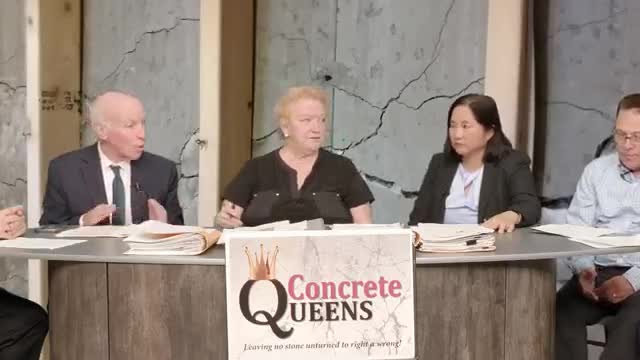
Summary
Condominium residents described unique barriers to testing and remediation: units over four were initially excluded from many programs, unanimous owner agreement was required for condo-wide inspections and repairs, and master-policy premiums rose sharply after remediation work began.
Members of condominium associations recounted challenges that differed from single-family homeowners during Connecticut's decade-long response to crumbling foundations. Frank Ferzano (member of the Condo 5 group and president of a condo association) described the operational and financial hurdles trustees and unit owners faced once foundations were found to be affected.
Why it matters: condo communities must secure participation across many owners, arrange temporary housing for multiple families at once, and manage increases to master-policy premiums even after foundations are repaired. Those dynamics can delay remediation and raise the effective cost to owners.
Condominium-specific problems described: Ferzano and other condo panelists said initial program rules treated buildings with more than four units as 'commercial' for some relief programs, which excluded many condo associations. That interpretation prompted advocates to press for legislation to include multi-unit condominiums; speakers said a legislative fix passed in 2019 that extended eligibility to condominium complexes.
On-the-ground logistics: speakers described how inspections required special, qualified inspectors and that visibility is limited because damage can be in crawl spaces or other inaccessible areas. Repair schedules forced occupants to find temporary housing; in one speaker's case he said he lived in his father's basement for four months during work. Master-policy insurance costs rose substantially in some associations; one speaker reported their association's premium 'almost tripled' in a single year.
What panelists want next: condominium advocates urged clearer insurance-market guidance for master policies after remediation, better underwriting information to distinguish buildings that were remediated from those at risk, and continued legislative attention to ensure program eligibility and funding cover condominium-specific needs.