Get Full Government Meeting Transcripts, Videos, & Alerts Forever!
Get email alerts on the Affordable Housing topic
No spam. Unsubscribe anytime.
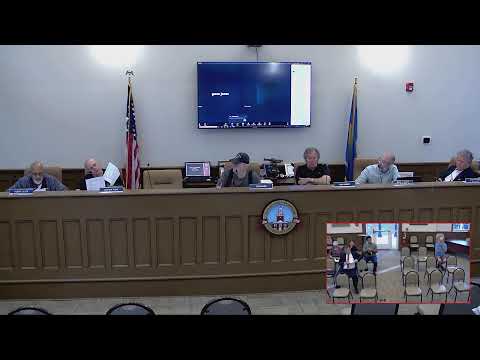
Georgetown board approves variances to recapitalize affordable apartments, allows two‑year extension
Summary
The Town of Georgetown Board of Adjustment on July 2 approved four variances allowing the recapitalization and modest expansion of Georgetown Apartments 2 and granted a two‑year lapse period to accommodate financing and permitting.
The Town of Georgetown Board of Adjustment on July 2 approved four variances to permit the recapitalization and modest expansion of Georgetown Apartments 2, and granted the applicant a two‑year lapse period for the approvals to begin construction.
Seth Collette, representing Leon Wiener and Associates, told the board the owner has been allocated funding through the Delaware State Housing Authority to renovate the complex’s existing 50 units and that one condition of that funding is an increase in density. "We intend to keep this property affordable and in good livable condition for the foreseeable future," Collette said during his presentation.
Design Collaborative principal Rosalyn Kasi outlined the land‑use relief the project requires: a roughly 1‑foot encroachment into a 25‑foot rear setback to add an accessible ground‑floor unit; a partial encroachment into a 50‑foot street‑yard setback to accommodate an accessible unit and a sprinkler room; an increase of 12 units to meet funding conditions; and removal of a loading space because the buildings are residential and will not generate commercial deliveries. Kasi said the team evaluated layout alternatives but could not avoid setback relief without creating drainage or circulation problems.
Board members questioned code and design details. The applicant told the board the project will provide 10 percent of units as accessible (the applicant said the requirement is 5 percent) and that the sprinkler room is required by code. Board members repeatedly stated they believed the harm to the applicant from denial would be greater than the probable harm to neighboring properties if the variances were granted.
The board voted to grant the variances (identified in the record as 230‑46, 230‑47, 230‑48 and 230‑152A). After discussion of timing, the applicant requested a two‑year lapse period so the approvals do not expire while financing from federal and state programs is finalized. Collette said multi‑agency financing timelines (U.S. Department of Housing and Urban Development, USDA and the Delaware State Housing Authority) make an extended lapse reasonable; the board solicitor cited town code section 23184 allowing the board to specify a longer period "for good cause shown." The board voted to extend the lapse to two years and the solicitor noted on the record that the board found good cause had been shown.
No members of the public testified in opposition during the hearing. The board recorded the votes and announced approval of all four variances and the two‑year extension.
The approvals allow the applicant to continue final engineering and to pursue the funding and permits that must be secured before construction begins. The applicant told the board it expects the best‑case funding decision in October but said it could not guarantee federal and state timelines.