Get Full Government Meeting Transcripts, Videos, & Alerts Forever!
Get email alerts on the Gulf War Illness topic
No spam. Unsubscribe anytime.
Missoula broadcast features researchers alleging Gulf War biological exposures, communicability and antibiotic treatment
Summary
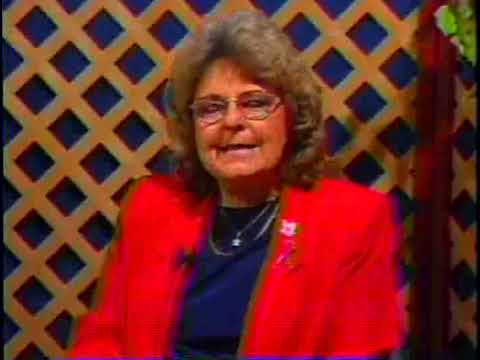
On a Missoula cable-access call-in program, host Joyce Riley said that documents and veteran reports show the 1991 Persian Gulf War involved biological and chemical agents and that the resulting illness has spread beyond veterans to their spouses and children.
On a Missoula cable-access call-in program, host Joyce Riley said that documents and veteran reports show the 1991 Persian Gulf War involved biological and chemical agents and that the resulting illness has spread beyond veterans to their spouses and children. "We have a disease that is now not just Gulf War veterans, but it is in the general community," Riley said.
The program featured Dr. Garth Nicholson, identified during the broadcast as a cell biology researcher associated with work at MD Anderson and the Institute for Molecular Medicine in Irvine, California. Nicholson told listeners his laboratory has detected infectious microorganisms in blood samples from veterans with Gulf War illness, including an organism the program named "mycoplasma fermentans incognitus." "We've been able to find... mycoplasma fermentans incognitus in about, oh, anywhere from a third to a half of the patients that we've examined," Nicholson said.
Why it matters: the speakers framed the issue as both a veterans' health crisis and a potential public-health concern because they asserted some agents are communicable. Riley and Nicholson cited declassified or leaked Department of Defense documents, CENTCOM logs, and a 1994 Senate report they said details U.S. chemical and biological-related exports to Iraq. Riley said some VA physicians contact her privately to say they believe exposure and concealment have occurred; she also cited a confidential VA document she said shows a sharp rise in tumor rates among active-duty personnel from 1991 to 1994.
Evidence and denials: speakers read and discussed excerpts they attributed to Defense Department and Joint Chiefs documents that they said showed internal concern and requests to limit public Internet disclosure. At the same time, the program quoted a 1994 Defense statement the speakers cited as publicly denying classified or unclassified evidence of chemical or biological use in the Gulf. Riley said both positions exist in public and internal records and urged listeners to review the materials she referenced.
Alleged agents and mechanisms: the broadcast distinguished chemical exposures (mustard gas, sarin, smoke from oil well fires) from biological agents, saying chemicals are not communicable but biological agents can spread to family members by close contact, perspiration or blood. Nicholson described laboratory evidence suggesting the mycoplasma he and his colleagues found carries unusual genes, including a single gene sequence similar to a gene from HIV‑1, and said that pattern is unlikely to arise in nature and could indicate laboratory modification.
Symptoms and scope: participants described a range of symptoms veterans report, including severe muscle pain, chronic fatigue, rashes, gastrointestinal problems, memory and concentration loss, and neurological findings such as demyelination on MRI. Riley cited figures during the program — that about 700,000 served in the Gulf, about 200,000 were now ill (she attributed that number to the Veterans of Foreign Wars), and roughly 15,000 had died — and said listeners should note the sources attached to those claims.
Treatment and testing: Nicholson discussed treating the infectious component with antibiotics and said his group recommends multiple antibiotic options to reduce the risk of resistance. He named doxycycline and azithromycin (which he described as pediatric-safe) among the agents he said have been used and said four antibiotics are part of their guidance. He provided contact information for the Institute for Molecular Medicine and said a commercial laboratory (Immunosciences) can perform related tests for civilians.
What was not decided: the program was an information and advocacy broadcast; no local government action, vote, or formal referral resulted from the discussion. Speakers urged congressional and departmental accountability, referenced Representative Shays and Representative Norman Dicks as engaged with oversight, and encouraged local listeners to attend follow-up events and obtain documents.
Caveats and competing claims: program participants repeatedly characterized their statements as documentary or laboratory-based but also framed some figures and documents as confidential or not for public release. The broadcast included repeated allegations of Pentagon and VA misclassification of veterans' illnesses; the program did not present a Department of Defense or VA spokesperson on-air to respond to those allegations.
Resources cited: the speakers identified a 1994 Senate report they said is titled "The US chemical and biological warfare related dual use exports to Iraq and their possible impact on the health consequences of the Persian Gulf War" and gave a program reference number they suggested for listeners; they also referenced specific Joint Chiefs and CENTCOM log entries (which they said had been declassified or leaked) and a confidential VA document they said shows rising tumor rates. Nicholson gave mailing information for the Institute for Molecular Medicine and named Immunosciences as a commercial test provider.
The program ended with a call for local engagement in Missoula and guidance for veterans seeking testing or treatment information through the researchers' clinic and the commercial lab named on air.