Get Full Government Meeting Transcripts, Videos, & Alerts Forever!
Get email alerts on the Committee Organization topic
No spam. Unsubscribe anytime.
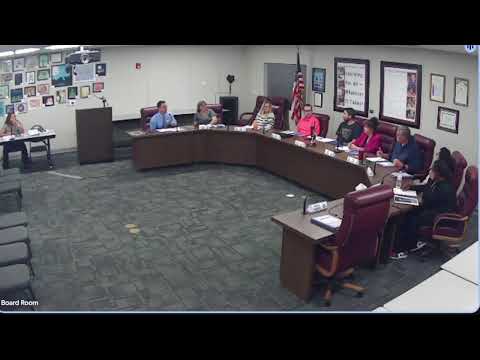
Snowline Citizens Bond Oversight Committee names chair, receives legal training on duties
Summary
The newly formed Snowline Joint Unified Citizens Bond Oversight Committee elected Kenny Funk as chair and Gina Mills as vice chair during its initial meeting, and received training from district legal counsel on the committee’s statutory duties.
The newly formed Snowline Joint Unified Citizens Bond Oversight Committee elected Kenny Funk as chair and Gina Mills as vice chair during its initial meeting, and received training from district legal counsel on the committee’s statutory duties.
Kenny Funk was nominated, seconded and approved by voice vote; the motion carried with committee members indicating “aye.” Gina Mills was nominated and approved as vice chair later in the meeting. The committee set a tentative follow-up meeting for early February to receive project and communications updates.
Katie Dobson, the district’s legal counsel, reviewed members’ responsibilities under Proposition 39 and the Education Code, telling the committee that “the purpose of the oversight committee shall be to inform the public concerning the expenditure of bond revenues.” She emphasized that the oversight committee is a post‑expenditure review body that “shall actively review and report on the proper expenditure of taxpayers’ money for school construction,” and is not a decision‑making board. Dobson also explained composition rules (independence from the district, no vendors or district employees), the requirement to hold open meetings, keep minutes, and prepare an annual report; she advised members to avoid discussing committee business outside public meetings to stay within Brown Act limits.
During a question-and-answer period, members asked how to distinguish capital projects from operating expenses. Dobson clarified that ongoing operating costs — for example monthly utility bills or routine salaries — are not proper bond expenditures, though capital work such as replacing an HVAC unit is a permissible capital cost if it is part of a voter‑approved project and meets the "but‑for" test described in the presentation.
Committee members asked about internal recordkeeping and who will prepare reports; staff indicated Rachel Wasley will take notes and that district staff including the chief business official will provide accounting and project reports to the committee. The committee agreed to return in February for updates from the chief business official, construction management and the district’s marketing staff.
The committee did not take action to allocate funds; its role, as described in the training, is to review audits, report publicly and promptly raise concerns if they identify possible improper use of bond proceeds.