Get Full Government Meeting Transcripts, Videos, & Alerts Forever!
Get email alerts on the Overdose Response Good Samaritan topic
No spam. Unsubscribe anytime.
Senate committee advances overdose‑reporting immunity bill after student, law enforcement and public support
Summary
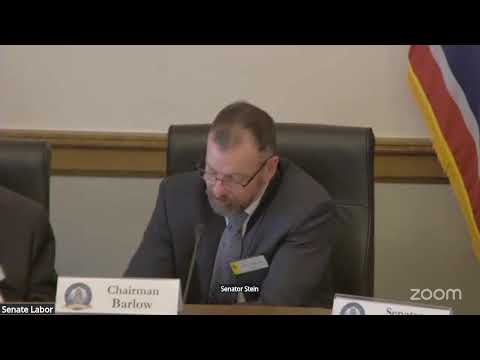
Senate File 74, a bill that would create limited immunity for people who call 911 to report a suspected drug overdose, cleared the Labor, Health & Social Services Committee on a 4–1 roll‑call vote after several hours of testimony.
Senate File 74, a bill that would create limited immunity for people who call 911 to report a suspected drug overdose, cleared the Labor, Health & Social Services Committee on a 4–1 roll‑call vote after several hours of testimony. The committee advanced the bill after hearing from public‑health groups, law‑enforcement representatives and students who said the change would encourage more people to seek emergency help in life‑threatening overdose events.
The bill, as explained to the committee, would grant immunity from prosecution for two specified misdemeanor offenses (possession of a controlled substance and being under the influence) to a person who, in good faith, seeks medical assistance for someone they reasonably believe is overdosing and who fully cooperates with 911, law enforcement and medical personnel. The draft also limits use of the immunity to no more than two times in a 12‑month period and contains language requiring truthful, complete cooperation; false statements would void the protection.
Supporters told senators the bill is narrower than general Good Samaritan or ordinary first‑aid protections and is aimed at reducing barriers to summoning emergency care. Andy Somerville, executive director of the Wyoming Association of Mental Health and Substance Abuse Centers, summarized the legal structure and cooperation requirements in the draft. Dr. Angela Ferron, president of the Wyoming Naloxone Project, told the committee that "Wyoming is currently the only state" without this type of protection and cited national research and local experience indicating similar laws increase 911 calls and reduce overdose deaths. Rhea Parsons, representing the Wyoming Association of Sheriffs and Chiefs of Police, said law enforcement stands in support of the bill.
Student leaders from the University of Wyoming also testified. Sofia Gomalski, director of governmental and community affairs for the Associated Students of the University of Wyoming (ASUW), presented a campus resolution and a student survey in which respondents uniformly supported Good Samaritan overdose protections; Ben Meester, editor in chief of the Branding Iron student newspaper, and student government members described instances where fear of legal consequences had prevented people from calling 911.
Committee members debated the bill’s limiting language. The draft’s provision that immunity may not be used more than two times in a 12‑month period drew questions about whether that limit applies to the person who calls 911, the person experiencing the overdose, or both. The sponsor and staff discussed possible edits to clarify the text; one senator moved an amendment to reduce the limit from two to one, but the amendment failed. After debate, Senator Scott moved to advance the bill; the committee voted: Crum (Aye), Hutchings (No), Scott (Aye), Symonds (Aye), Barlow (Aye). The motion carried and the bill will be scheduled for consideration on the floor.
The committee’s discussion repeatedly emphasized that the immunity is conditional: it applies only when the caller acts in good faith, provides location and a description, cooperates with first responders and medical staff, and answers questions truthfully. Witnesses stressed the bill does not provide immunity for distribution or other unrelated crimes.
What’s next: Senate File 74 now proceeds to the Senate floor calendar for a floor vote and possible amendment. Supporters said they will provide requested clarifications and data (for example, counts of incidents in specific counties) to answer committee questions about frequency and hotspots for overdoses.