Get Full Government Meeting Transcripts, Videos, & Alerts Forever!
Get email alerts on the Governance Boards Commissions topic
No spam. Unsubscribe anytime.
Midwest City Council directs staff to prepare sunsetting, consolidation plans for dozens of boards and commissions
Summary
Council reviewed a staff audit of roughly 35–40 boards, committees and commissions and directed staff to prepare sunshine and sunset agenda items, consolidate several ordinance-created bodies and follow up with the ADA committee while respecting the Open Meetings Act.
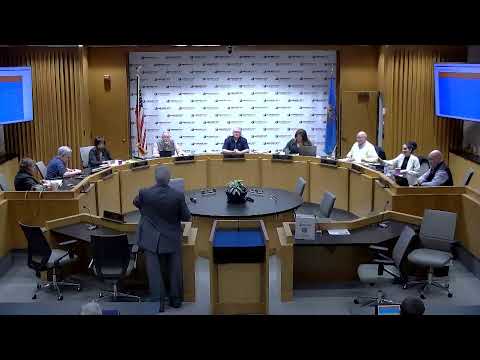
The Midwest City Council spent the majority of the meeting reviewing a staff audit of boards, committees and commissions and gave staff direction to convert the recommendations into formal agenda items for future council consideration.
Mayor (unnamed) said the city needs clear mission statements, membership terms and sunset clauses for committees going forward. ‘‘We need to have, the membership terms established, and, we need a sunset clause because somebody should have sunsetted many years ago after they hit their specific actions,’’ the Mayor said.
Don Meitz, a staff member who led the review, told the council staff found approximately 35 to 40 bodies that had been created by the council or by contract, some of which had not met in more than two years. Meitz said staff compiled a color-coded list and recommended that roughly 15–20% of committees (about eight) be sun-setted to save staff time. He described the methodology: review of website listings, past agendas and minutes, and staff liaison input.
Meitz also advised that state-created entities are governed by statute and in many cases cannot be changed without legislative action. ‘‘Once the statute is established ... those are the powers that are denoted to them unless the legislature gives specific power to that entity to be able to do more,’’ Meitz said, explaining limits on local changes to planning and statutory commissions.
Council members raised several implementation questions. Councilman Thompson asked whether staff could include an annual ‘‘effectiveness’’ rating for boards and track member attendance and term compliance; staff said it could provide that information after the review is complete. Several members emphasized citizen engagement: Councilmember Rita and Councilwoman Banda said they want uniform, searchable summary documents (mission, membership, term, sunset date) for any committee the council retains.
Members of the ADA committee raised concerns that they have been insufficiently consulted on public projects and requested that city staff present projects to the ADA committee for review before construction. Meitz cautioned that accepting public remarks at an unposted meeting risks violating the Open Meetings Act; he and other staff committed to meeting with ADA committee members outside the council meeting and to take concerns back to council in a properly noticed agenda item.
On scheduling, council members agreed to move forward in phases: staff will prepare sunset agenda items for committees in the yellow category and bring them to a council meeting for action (February or March was discussed to allow review time). Staff also will bring an ordinance to consolidate three ordinance-created committees (green category) and will remove the sidewalk committee from the sunset list at staff request so it will remain active. The Race Relations Committee will be given additional review time and may be scheduled as a separate agenda item for later consideration.
No formal council vote was recorded on the overall review at this meeting; council members provided consensus direction to staff on next steps and timing.