
Pryor Creek council approves revised downtown streetscape design; plans sent to ODOT
Get AI-powered insights, summaries, and transcripts
Subscribe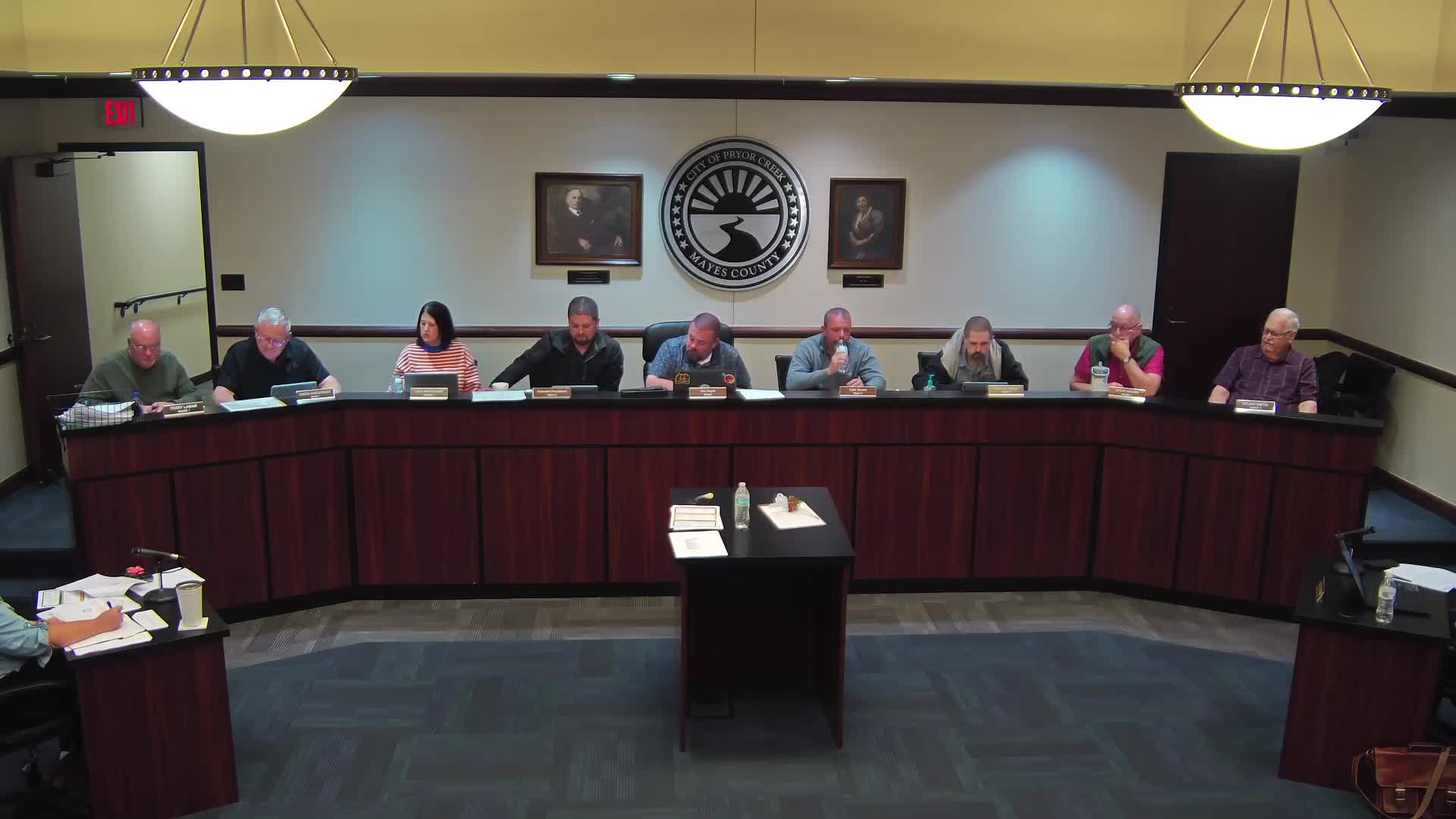
Summary
Pryor Creek — The City Council on Nov. 4 approved revised designs for the downtown streetscape and authorized the city’s design firm to proceed with engineering and submit final plans to the Oklahoma Department of Transportation (ODOT).
Pryor Creek — The City Council on Nov. 4 approved revised designs for the downtown streetscape and authorized the city’s design firm to proceed with engineering and submit final plans to the Oklahoma Department of Transportation (ODOT).
The council’s vote followed presentations from Main Street and the Economic Development and Tourism Authority (EDTA) showing a new design that reduces the number of on‑street parking spaces affected by the project. Under the earlier concept the project would have removed about 19 stalls; the revised plan is estimated to reduce that to between nine and 11 lost spaces in phase 1, with the goal of improving pedestrian safety and ADA access at the Graham/Adair intersection.
Main Street’s representative said the new plan shrinks the project footprint, lowers landscaping and irrigation needs and reduces long‑term maintenance costs. “This will actually reduce the number of parking spaces being affected,” the representative told the council, noting the estimate of nine to 11 spaces will be refined during engineering.
Why it matters: The project aims to improve walkability and safety along a state highway that runs through downtown by adding high‑visibility crosswalks, handicap‑accessible curb ramps and mast‑arm traffic signals at the primary intersection. Council members and business owners debated whether the parking loss will harm retail activity; council supporters emphasized safety and long‑term benefits.
Funding and next steps: The project’s core funding includes a Transportation Alternatives Program (TAP) grant of $652,000 and a city match reported at $102,000; the EDTA also committed funds and will cover an estimated $38,000 redesign/engineering cost so the design firm can reissue plans. City staff and the design firm Kimley‑Horn told the council they could submit 100% plans to ODOT as soon as December. ODOT will review the submission; if approved, the ODOT-managed bidding and scheduling process could place construction start in the summer months of the following year.
Council action and vote: The council voted to authorize the design firm to proceed; the motion carried with one dissenting vote. Councilmember Trammell voted no; the remaining members voted yes.
What council members asked for: Councilmembers requested additional outreach to downtown business owners and a clear public timeline. Staff agreed to provide a project timeline and a list of anticipated capital projects tied to the city’s capital outlay work so the council can track priorities.
What will change on the street: The revised design keeps the bump‑outs and curb ramps needed for ADA compliance but reduces areas requiring irrigation and planting. Council and project representatives said remaining parking impacts will be distributed across the four corners of the intersection rather than concentrated in one block, and the project includes new, modernized traffic control equipment at the primary intersection.
The council’s approval sends the project to ODOT for its 100% plan review. Funding beyond the TAP grant will be finalized after ODOT’s bidding returns final numbers, at which point the EDTA and city will settle any remaining match obligations.