Get Full Government Meeting Transcripts, Videos, & Alerts Forever!
Get email alerts on the Education topic
No spam. Unsubscribe anytime.
Senate approves refocused class-size funding, shifting dollars to K–3 after a call of the chamber
Summary
Senate Bill 32 refocuses class-size reduction funding toward kindergarten through third grade and phases the change in over four years; the bill passed after a call of the Senate and a recorded vote amid concerns about unfunded mandates on local education agencies.
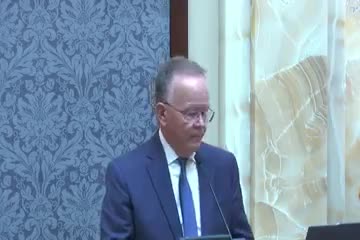
Senator Fillmore, a state senator, told the Senate the measure would concentrate class-size reduction dollars in the early grades (K–3) where lawmakers and education experts say the funding can have the most impact on literacy and numeracy. The proposal phases the shift in over four years and allows exceptions for schools that already meet state standards in grade three.
Senator Kwan, a state senator, said she supported the bill’s concept but opposed moving forward without new funding to cover the reallocated obligations. "There’s no new money here, which creates much more pressure on our LEAs to fund these kinds of programs," Kwan said on the floor and recorded a no vote.
Because senators anticipated a sizable number of no votes, the chamber went into a formal call of the Senate and staff accounted for members present remotely. After roll-call, the Senate recorded 18 yeas, 8 nays and 3 absences and passed SB 32. Proponents said the targeted approach focuses limited resources where early learning gains are strongest; opponents said the change shifts costs onto school districts and charters without additional state funding.
The bill will be transmitted to the House for further consideration.
Why this matters: The measure adjusts state-directed education funding priorities with potential operational and budgetary implications for local education agencies that must implement the changes.