
Judge denies motion to dismiss in Elliott estate dispute, quashes noncompliant subpoena and orders discovery schedule
Get AI-powered insights, summaries, and transcripts
Subscribe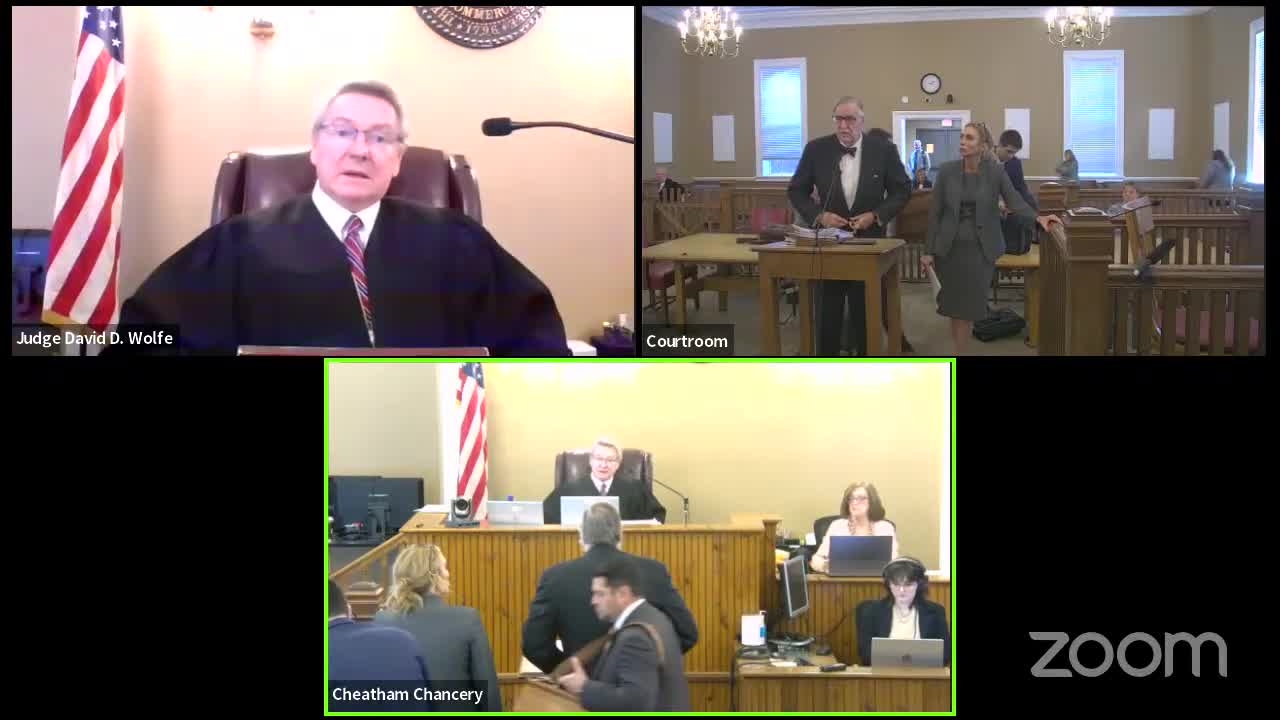
Summary
A contested probate matter over the administration of the Ann Murphy Elliott estate continued after the court denied a motion to dismiss a petition to remove the personal representative. The judge found serious factual questions regarding funds and joint-account signatory cards, quashed a subpoena that did not comply with statutory notice rules,
Counsel for beneficiaries moved to dismiss a petition in the estate of Ann Murphy Elliott for failure to prosecute; the personal representative—s counsel opposed dismissal and argued discovery was necessary. The petition alleges discrepancies in funds and that conservatorship and estate funds passed through an account in which the personal representative (Virginia Williams) was made a joint owner prior to the conservatorship appointment.
Opposing counsel for Ms. Williams said the joint-signature cards were executed before the conservatorship and that the account has multiple joint owners, including John Scott Medley and another party; counsel argued that those records are not solely Ms. Williams— personal records. Counsel for the beneficiaries argued the account had been used for conservatorship and estate receipts and disbursements and that this raised credible questions about commingling and fiduciary duties.
The court reviewed prior orders in the file, noted an earlier ruling that limited a prior subpoena, and found that the subpoena now at issue had not complied with statutory notice requirements for bank subpoenas (TCA requirements counsel cited). The court quashed the noncompliant subpoena for procedural reasons but declined to dismiss the petition on failure-to-prosecute grounds, citing the seriousness of the allegations and the need for discovery.
Because the disputes involve potentially significant transfers and joint-account ownership questions, the court directed the parties to pursue discovery through normal civil-procedure channels (requests for production, interrogatories and depositions) rather than by extra-judicial direct production. The judge set a scheduling framework: written discovery to be completed within about 60 days and oral discovery (depositions) within 90 days, and a return hearing in March to address outstanding issues. The court cautioned that parties who improperly use subpoenas may face sanctions and that the record must be clarified to resolve whether estate or conservatorship funds passed through a joint personal account.