Get Full Government Meeting Transcripts, Videos, & Alerts Forever!
Get email alerts on the Strategic Plan topic
No spam. Unsubscribe anytime.
Advisory team narrows district priorities; committee asked for faster timeline and more teacher input
Summary
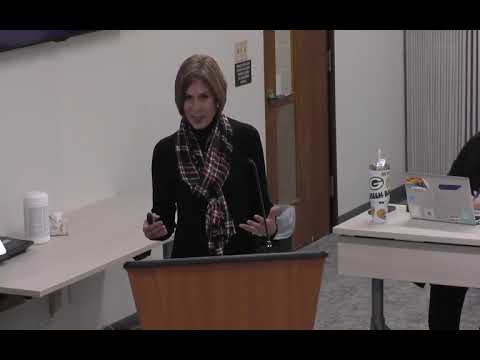
Dr. Lisonbee DeGraff told the committee that a strategic‑plan advisory team met in October and November to refine district challenges and prioritize solutions focused on literacy, math and attendance.
Dr. Lisonbee DeGraff told the Janesville School District Personnel Policy Curriculum Committee on Jan. 6 that a strategic‑plan advisory team convened in October and November to narrow district priorities and generate solutions to improve student growth in literacy, math and attendance.
"We had staff and administrator survey feedback last year," DeGraff said, describing the advisory team as a response to staff calls for "more opportunities to give feedback around decisions in the district." The team included building leaders and central office directors and used two focused questions: how to support fifth‑to‑sixth grade learning (noting the largest data declines were in fifth and sixth grade math) and how to reduce students placed in alternative services and ease the eighth‑to‑ninth grade transition.
The advisory groups used brainstorming and an affinity‑dot process to prioritize two to three big ideas from long lists of potential interventions. Short‑term actions include creating more regular teacher conversations across grades (for example, fifth‑ and sixth‑grade and eighth‑ and ninth‑grade meetings about literacy instruction). Larger, systemwide ideas raised as possibilities included a seven‑period high‑school day to reserve one period for targeted intervention, study hall or enrichment. Dan provided a budget overview noting the majority of district funding is staffing, and the group discussed how to prioritize available funds for identified solutions.
DeGraff said the next steps are to reconvene the two advisory groups, present prioritized solutions for 1‑, 2‑ and 3‑year plans, and report those timelines back to the board. The team also completed exit surveys; DeGraff said feedback recommended eventually including teachers when the work moves from broad problem‑definition to specific solution design.
Board members pushed for faster implementation and broader engagement. One member urged bringing "what does good look like" examples from higher performing districts instead of relying solely on internal brainstorming; another pressed that "what gets measured gets done," requesting copies of director and administrator performance‑review standards and the district improvement plan. DeGraff and Superintendent Holtzman said district staff already use a district improvement plan and building improvement plans aligned to the district goals of reading, math and attendance and that the administration is pursuing external contacts through regional networks and Solution Tree coaching to bring outside practices into local work.
Committee members also recommended capturing input from nonteaching staff (paraprofessionals, custodial staff) through surveys or targeted meetings, and stressed the need to communicate clear timelines and measurable targets to ensure accountability.
The committee did not take formal action on specific interventions at the Jan. 6 meeting; DeGraff said the advisory team will return with recommended timelines and prioritized action steps.