Faces for Change outlines youth substance‑use prevention work, toolkit and CDC funding
Loading...
Summary
Faces for Change (Youth Public Culture Institute) presented local youth substance‑use data, prevention activities and a methamphetamine prevention toolkit; presenters said they are funded in part by two CDC grants and city contributions and are pursuing additional federal funding.
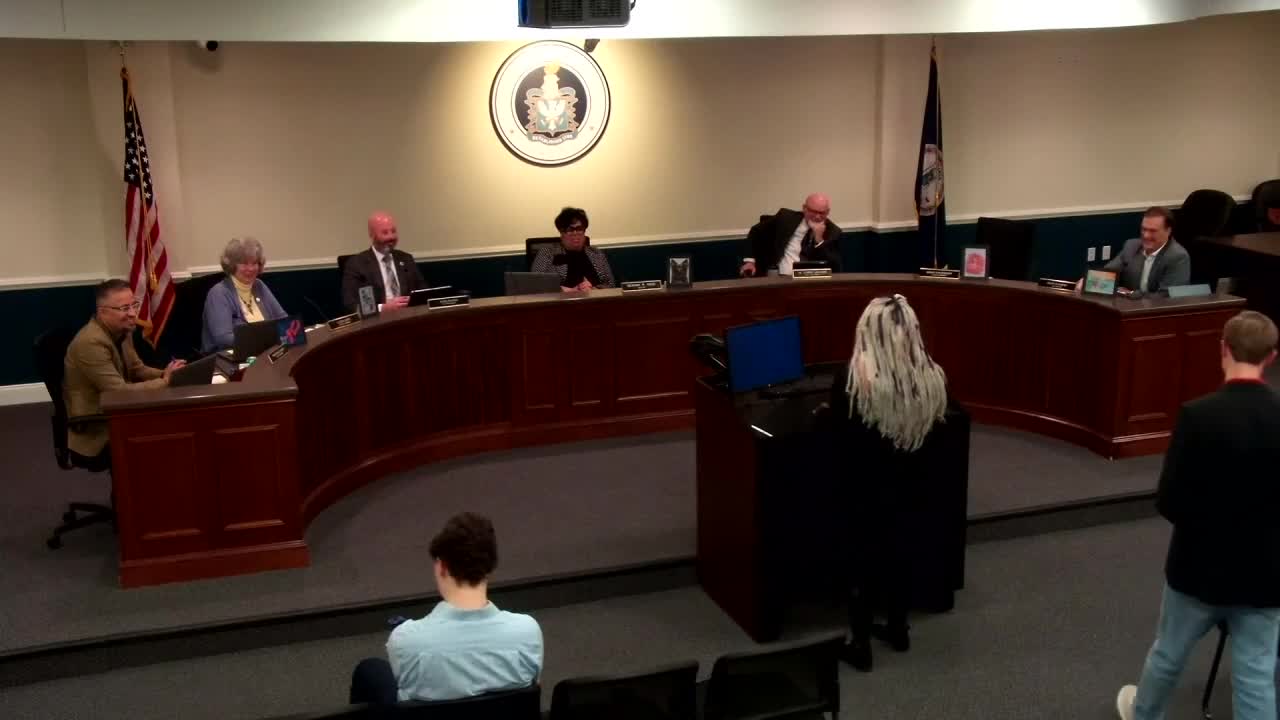
Dr. Pitandi Hicks Harper, president and CEO of the Youth Public Culture Institute, and Luke Morgan, Faces for Change project coordinator, briefed council on local youth substance‑use prevention activity on Feb. 25.
Dr. Harper said Faces for Change focuses on prevention of nonmedical use of prescription drugs, marijuana, methamphetamine, fentanyl and a local trend the presenters identified as “lean” (described in the presentation as "a mixture of the opioid codeine mixed with soda and candy"). She said the coalition is funded by two CDC grants (one noted as $125,000 per year for five years) and receives local support, including $10,500 from the city.
Luke Morgan summarized youth data and local outreach. The JMU Youth Data Survey (YDS, administered to a sample of eighth, tenth and twelfth graders) showed declines from 2021 to 2023 in some measures but that 13.6% of surveyed youth reported illicit drug use in 2023 and 39.3% of twelfth graders reported marijuana was easy or fairly easy to obtain. Faces for Change complements quantitative data with focus groups; presenters said youth described vaping and flavored products as widespread and readily visible among peers.
The coalition described a local methamphetamine prevention and intervention toolkit (English and Spanish fact sheets, presentation slides, a short video and a brochure) developed with New Seasons Treatment Center and promoted through radio PSAs and statewide prevention networks. Staff said the bundle is available for download and that the group is using its evaluation work to pursue additional outside funding. Presenters invited council and the public to monthly coalition meetings and noted plans to deepen school engagement and evaluation to support grant applications.
Council members asked about school collaboration and placement of toolkits and fact sheets in school and clinical settings. Presenters said they have memoranda of understanding (MOUs) and resource table presences in schools and seek deeper classroom engagement and parent outreach.