Get Full Government Meeting Transcripts, Videos, & Alerts Forever!
Get email alerts on the Animal Welfare topic
No spam. Unsubscribe anytime.
Salem County debate centers on animal-shelter capacity, candidate facility and multi-million-dollar operating costs
Summary
Residents and commissioners pressed for a regional solution to Salem County's animal-shelter shortage, discussing a candidate property and preliminary financial estimates that ranged into the low millions for acquisition and annual operations.
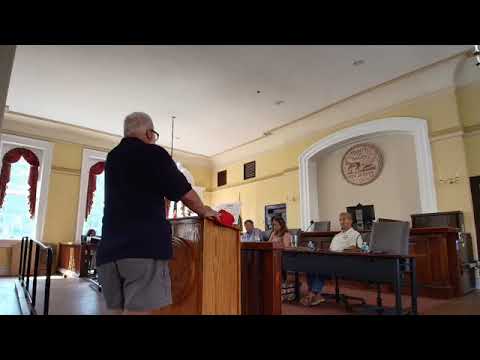
Public comment and an extended discussion during the Salem County meeting focused on a countywide animal-shelter capacity crisis and possible acquisition and operation of a dedicated shelter facility.
Commissioners, members of the shelter work group and multiple residents described ongoing meetings to identify a solution. The transcript records that the group has identified a candidate property with an appraisal figure cited around $450,000. Speakers estimated that the total cost to purchase, renovate and equip that property would be roughly $2,000,000 including vehicles and initial capital improvements. Operating-cost estimates presented in the meeting ranged from about $1.5 million to $2.2 million annually, with higher figures reflecting county-employee benefit costs and a fully staffed, year-round operation.
Speakers discussed two financing approaches: a county-led acquisition possibly supported by a lease-to-buy arrangement with municipalities, and a nonprofit-operated model that could reduce some operating costs but would require sustained fundraising. One commissioner said the county had decided to help fund acquisition costs, citing a potential $500,000 county contribution toward purchase plus about $1 million to rehab the facility, though the budget and municipal-share details remain under discussion.
Lieutenant Martina Pearson of the Corners Point Police Department described immediate operational strain: animals currently are sometimes held in jail cells or other temporary locations and staff are seeking interim measures. Multiple residents and animal-advocacy speakers urged rapid action, volunteers and grants, and one meeting participant recommended a lease-to-buy to begin operations quickly and then refine the long-term funding plan.
Commissioners cautioned not to rely on donations as a primary funding source and emphasized the need for municipal buy-in: the county will prepare a spreadsheet estimating initial costs for each municipality and convene municipal leaders and the county prosecutor to discuss obligations and legal responsibilities. The prosecutor's office and municipal solicitors were mentioned as participants in upcoming talks.
No final purchase vote occurred at the meeting. The board authorized continued planning and signaled support for a short-term lease as an initial step if municipal commitments materialize.
Because figures and the facility name were presented as estimates in public remarks, this article reports appraisal and budget numbers as approximate and attributes them to speakers in the meeting.