Get Full Government Meeting Transcripts, Videos, & Alerts Forever!
Get email alerts on the Ccip Tax Renewal topic
No spam. Unsubscribe anytime.
Council reviews CCIP quarter-cent tax renewal package; debate over trolley barn, downtown shop and composting seed funding
Summary
City staff presented a draft CCIP package for a possible quarter-cent sales-tax renewal that funds affordable housing, pools and parks, and several downtown facility projects; council debated reallocating parts of the trolley-building and downtown park-shop allocations toward a seed contribution for composting/food-waste infrastructure and requested refined cost breakdowns and contingency language for the ballot.
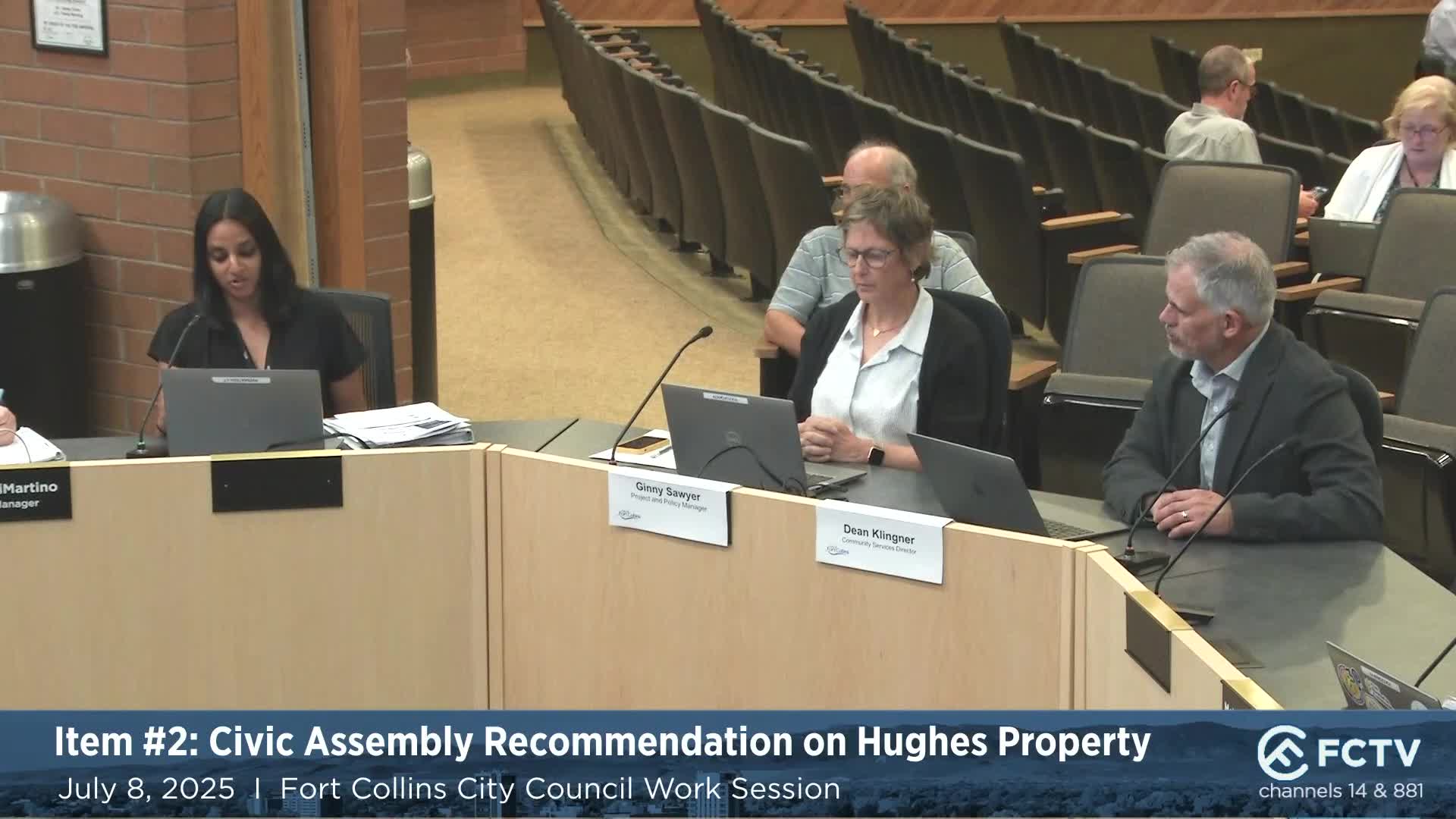
City staff presented a prospective Community Capital Improvement Program (CCIP) package to support a renewal of the quarter-cent sales tax and asked council for direction on package refinements and ballot language. Ginny Sawyer summarized the package and explained that staff were not recommending bonding; instead the renewal would be cash-funded over the 10-year period and staff had incorporated inflation assumptions where appropriate.
Major projects in the proposed package include continued investments in affordable housing (staff described a revolving-loan option and suggested the renewal could add to a housing fund), replacement or upgrade of Mulberry Pool, funding for park amenities and the Southeast Community Center (staff noted an existing $12.5 million commitment and projected an additional $2'$2.5 million in residual funds), and several downtown-focused items: the stabilization and potential reuse of the historic Trolley Building (staff estimated a multi-stage stabilization/renovation cost and presented an initial $6.8 million figure) and a proposed Downtown Park Shop replacement ($7.9 million in the package) to consolidate maintenance operations outside Old Town.
Councilmembers raised questions about priority and timing. Several members expressed strong support for additional affordable-housing funding and urged staff to maximize housing allocations. Councilmember Kelly proposed reallocating part of the downtown shop or trolley-building dollars to a seed capital amount for composting/food-waste infrastructure; the feasibility study and final project estimates for composting were in the $16'$24 million range, and staff said regional partnerships and policy decisions will affect final costs. Staff said ballot language can include conditions or contingent language (for example, specifying seed funding for feasibility and allowing funds to be used under defined circumstances if a listed project is infeasible).
Council directions and tentative consensus included: provide more detailed breakouts and clarifying language for Mulberry Pool (clarify the $10 million entry is a partial contribution, not the total replacement cost); refine trolley-building cost breakdowns and consider funding only an immediate structural stabilization if full restoration costs exceed the package; explore funding mixes (impact fees and asset-management funds) to reduce CCIP demand for the downtown park shop; and draft ballot language that would allow a seed contribution for composting/food-waste infrastructure while protecting voters with clear conditions and contingencies. Staff will return with refined language and cost breakdowns for council review in time for the August 19 regular meeting.