Get Full Government Meeting Transcripts, Videos, & Alerts Forever!
Get email alerts on the Personnel.reorg topic
No spam. Unsubscribe anytime.
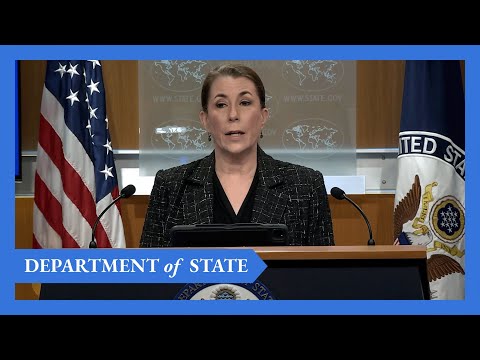
State Department begins implementing reorganization after court decision; spokesperson declines to give RIF timing
Summary
The State Department spokesperson said a Supreme Court decision allowed the department to begin implementing a secretary-approved reorganization intended to align the workforce with administration priorities, but declined to specify when any Reduction in Force (RIF) notices will be issued.
Tammy, the State Department spokesperson, said the department is undertaking a "historic reorganization" approved on April 22 to better align workforce activities with the administration's priorities and that the Supreme Court decision enables implementation to commence.
"The plan, which has been approved by the secretary and developed with extensive feedback from congress and the workforce itself is moving into implementation," Tammy said, adding the reorganization is intended to make the Department "relevant and effective."
Reporters asked whether the reorganization implies career staff are "not relevant or effective" and when RIF notices will be sent. The spokesperson rejected the characterization that the announcement is an attack on individuals, saying the change is about structure and function, not personnel worth. On RIF timing, Tammy said she would not discuss legal matters before the courts but said the Department intends to move "quickly" once permitted and that she could not provide an exact schedule.
Why it matters: Reorganizations and RIFs can affect thousands of Foreign Service and civil service employees, influence the department's capacity abroad, and shape how the United States conducts diplomacy. The spokesperson framed the change as a structural modernization to improve speed and effectiveness.
Clarifying points reported at the briefing: The spokesperson emphasized the plan was developed with input from Congress and the workforce and that implementation follows high court clearance. She repeatedly declined to provide details tied to ongoing legal matters and said timing will not be protracted.